Illustration of three people interacting with charts, rating scales, and profile cards—one reviewing performance metrics, one sitting on a bar chart giving a thumbs‑up, and another climbing toward a trophy.

Performance Management Systems: Managing for Success & Growth

By Sammi Cox

If you’re still relying on annual reviews to manage your engineering team, you’re already behind. When teams deploy multiple times per day and iterate in two-week sprints, a once-a-year performance conversation quickly loses relevance.

Traditional performance management was built for a different era, when work was predictable, teams were co-located, and change moved slowly. That does not reflect how AI products are built in 2026.

This article outlines a practical, step-by-step approach to managing performance at startups and growth-stage tech companies. Through this process, we see how teams operate up close, what works, what doesn’t, and what helps retain top talent.

Understanding Performance Management for Engineering and AI Teams

Let’s skip the generic HR textbook definitions. What actually matters for engineers shipping production code and ML models is different from what you’d read in a traditional management guide.

Performance management for engineering teams is an always-on, conversation-driven system, not a form you fill out once a year. It’s the ongoing process of clarifying what “good” looks like, observing actual work, giving feedback engineers can act on, and adjusting goals as the product and market shift.

Modern performance management links three threads together:

Thread

What It Covers

Example Metrics

Business Outcomes

Features shipped, model impact, customer value

Deployment frequency, latency improvements, revenue impact

Team Health

Burnout signals, collaboration quality, on-call load

Sprint velocity trends, incident response times, team survey scores

Individual Growth

Skills development, scope expansion, ownership

Promotions, new domain expertise, mentorship impact


Defining Performance Management in a High-Velocity Tech Environment

Performance management is the ongoing process of clarifying expectations, observing work, giving feedback, and adjusting goals in real time. For engineers, “performance” spans multiple dimensions:

  • Code quality: Review feedback, test coverage, production bugs
  • Reliability: On-call response, incident prevention, system uptime
  • Collaboration: Cross-team communication, documentation quality, code review helpfulness
  • Customer impact: Feature adoption, latency improvements, user satisfaction

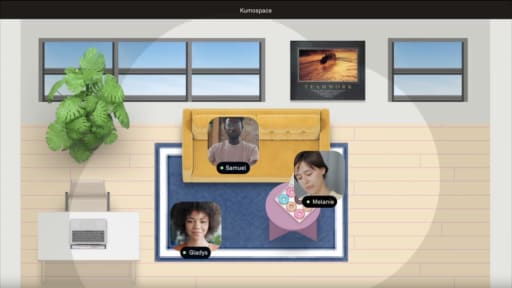
Remote and hybrid work make intentional performance management practices essential rather than optional. When your team is distributed across time zones, you can’t rely on hallway conversations or lunch observations to understand how people are doing. Virtual offices like Kumospace create spaces for organic interaction, but you still need structured touchpoints.

Performance touchpoints in engineering include:

  • Code reviews (observing technical decisions and communication)
  • Architecture reviews (assessing system thinking and collaboration)
  • Incident postmortems (evaluating problem-solving under pressure)
  • Sprint retrospectives (understanding team dynamics)
  • Demo days (seeing communication and ownership)

Each of these is a data point for understanding employee performance, not just whether someone is “good” or “bad,” but what support they need to grow.


The Strategic Importance of Effective Performance Management

Effective performance management connects directly to metrics that founders and executives care about. Companies with clear performance expectations and regular feedback loops often see double-digit improvements within 6–12 months.

Here’s why organizational success depends on getting this right:

  • Deployment frequency increases when engineers understand what “done” means and get quick feedback on blockers
  • Incident rates drop when on-call expectations are clear and performance issues are addressed early
  • Time-to-hire shortens when your performance culture is a selling point, not a liability


Key Components of a Modern Performance Management System

A modern performance management system has six core building blocks:

  1. Clear role definitions: Job descriptions that specify expectations, not just responsibilities
  2. Aligned goals: Individual objectives that connect to team and company objectives
  3. Regular 1:1s: Weekly or biweekly conversations focused on support, not status
  4. Transparent feedback: Continuous, specific input on what’s working and what isn’t
  5. Growth plans: Documented development opportunities tied to career progression
  6. Fair rewards: Compensation and promotion decisions based on consistent criteria

Tools, HRIS platforms, performance software, and analytics dashboards are secondary to the underlying management behaviors and rituals. You can run an effective performance management system with Google Docs and calendar reminders. You cannot run one without managers who actually have performance conversations.

The key elements that make systems work:

Input

Process

Output

Goals and expectations

Goals and expectations

Promotion decisions

Continuous feedback

Quarterly reviews

Compensation adjustments

Development plans

Skill assessments

Hiring signals

Setting Clear Expectations and Objectives for Engineers

Performance problems almost always start as expectation problems. This is especially true in remote and async-heavy teams where you can’t observe confusion in real time. Employees understand what’s expected only when managers explicitly communicate it, preferably in writing, with concrete examples.

Managers should translate company-level objectives for 2026 (like “ship an LLM-powered feature by Q3”) into individual engineer objectives with clear success criteria. What does the Senior ML Engineer need to deliver? What does the Staff Backend Engineer own? What does the Founding Engineer at an early-stage AI startup prioritize?


Aligning Individual Goals with Startup and Product Objectives

The process for turning vague aims into measurable objectives:

  1. Start with the business outcome (“improve platform reliability”)
  2. Identify the 2-3 changes that would drive that outcome
  3. Assign ownership to specific employees based on expertise and development goals
  4. Define measurable success criteria for each assignment
  5. Set time-bound milestones

Co-create goals with employees during onboarding and quarterly planning. Don’t hand down objectives from on high. Run live sessions where engineers can ask questions, push back, and negotiate. Whether you’re in a conference room or a Kumospace virtual space, the conversation should be collaborative.


Creating SMART Goals that Work for Technical Work

SMART goals, Specific, Measurable, Achievable, Relevant, Time-bound, work for engineering when you adapt the framework to technical reality.

Well-written SMART goals for employees:

Level

Goal

Junior Engineer

Complete code review certification and reduce average review turnaround to <24 hours by end of Q2 2026

Senior ML Engineer

Ship a production-ready fraud detection model to 10% of traffic by June 30, 2026, with <1% false positive rate

Staff Backend Engineer

Design and implement new authentication service handling 10K RPS with 99.9% uptime by August 2026

Engineering Lead

Reduce mean time to recovery (MTTR) for P1 incidents from 45 minutes to 20 minutes by Q3 2026

Poorly written goals to avoid:

  • “Improve code quality” (not specific or measurable)
  • “Learn more about ML” (not tied to business outcomes)
  • “Be more proactive” (not observable or time-bound)
  • “Ship more features” (not achievable without context on scope)

Balance output metrics (features shipped) with quality metrics (defects, post-incident actions completed).


Implementing a Continuous Feedback System Instead of “Once-a-Year Surprises”

Continuous performance management replaces annual surprises with ongoing feedback that employees can actually use. Here’s what this looks like in practice:

Weekly:

  • 1:1 meetings (30 minutes, focused on blockers and support)

Monthly:

  • Sprint retrospectives (team-level feedback)
  • Skills coaching session (30 minutes, focused on one development area)

Quarterly:

  • Career conversations (60 minutes, focused on trajectory and growth)
  • Peer feedback collection (lightweight 360 input)

For remote teams, tools like Kumospace let you create recurring “feedback rooms” for informal check-ins, code review clinics, and design critiques. The goal is making feedback a normal part of work, not an event that happens once a year.

A concrete monthly rhythm example:

Day

Activity

Duration

Monday

1:1s with direct reports

30 min each

Wednesday

Skip-level coffee chats

15 min each

Friday

Sprint review and demo

60 min team

Last Friday of month

Skills coaching session

30 min each

Building a Performance Management Strategy for High-Growth Tech Companies

This is the blueprint section: how to design a performance management strategy that scales from 5 to 50 to 200 engineers without becoming bureaucratic.

The 2021–2026 hyper-growth startups that matured successfully share a common pattern. They moved from “everyone just figures it out” to structured yet lightweight systems before the pain became unbearable. The ones that waited until they had 100 engineers to think about performance management spent the next two years cleaning up the mess.

Your strategy needs to balance speed, not over-bureaucratizing, with fairness, consistent criteria for promotions and pay decisions. External benchmarks can help you calibrate internal expectations against industry standards.


Designing a Lightweight but Robust Performance Framework

Choose core cycles that match your company stage and culture:

Cycle

Frequency

Purpose

Compensation review

Annual

Salary adjustments based on performance and market

Promotion review

Biannual

Level changes based on demonstrated scope and impact

Growth conversations

Quarterly

Career trajectory and skill development

Feedback and check-ins

Ongoing

Real-time support and course correction


Embedding Bias-Audited, Structured Evaluation

Pure “gut feel” evaluations lead to inequity and attrition. In diverse, distributed teams, this creates a risk of losing your best people.

Structured approaches that improve fairness:

  • Rubrics: Define specific criteria for each performance level before evaluating anyone
  • Evidence requirements: Require written examples to support each rating
  • Calibration sessions: Managers compare ratings and justify differences
  • Blind aggregation: Collect peer feedback before managers finalize assessments

The Performance Management Cycle: Plan, Monitor, Develop, Reward

The performance management cycle has four stages that repeat every quarter: planning, monitoring, developing, and rewarding. This ongoing process keeps performance management from becoming a once-a-year fire drill.

Here’s a concrete timeline for running this cycle from April to June 2026 for a backend team:

Week

Stage

Activities

Week 1 (April)

Planning

Review Q1 outcomes, set Q2 goals, align with product roadmap

Weeks 2-10

Monitoring

Weekly 1:1s, sprint reviews, dashboard tracking

Weeks 6-8

Developing

Skills coaching, stretch assignments, training

Weeks 11-12 (June)

Rewarding

Quarterly review, recognition, comp adjustments if applicable


Planning and Goal Setting at the Start of Each Cycle

A planning meeting sets the foundation for the quarter. Here’s a format that works:

60-minute planning session agenda:

  1. Review (15 min): What did we accomplish last quarter? What fell short and why?
  2. Align (15 min): What are the company/team priorities this quarter?
  3. Set goals (20 min): Define 3-5 key objectives per engineer with success metrics
  4. Clarify (10 min): Questions, concerns, resource needs

Run this over video or in a Kumospace project room with the whole squad present. For distributed teams, having everyone in the same virtual space creates shared context that async documents can’t replicate.

Document decisions in a shared format, Notion, Google Docs, or wiki, and share them asynchronously for team members in different time zones. Managers should align plan timelines with product roadmaps and funding milestones. Pre-Series A priorities look different from post-Series B.


Monitoring Progress with High-Signal Check-Ins

Track progress without micromanaging by using structured check-ins and visible artifacts.

Weekly 1:1 template (15-20 minutes):

  • What’s blocking you right now?
  • What decisions do you need from me or others?
  • What did you learn this week?
  • Anything else on your mind?

This template focuses on support, not status reporting. Status comes from dashboards and sprint tools.

Make monitoring visible to the team via shared dashboards or docs. Transparency encourages peer support and reduces the feeling that managers are watching from above. Regular feedback should feel collaborative, not like surveillance.


Developing Skills and Expanding Scope Based on Real Data

Look at actual work over the quarter to identify specific skill gaps. If an engineer has recurring on-call issues, that’s a signal. If architecture decisions keep getting reworked, that’s data.

Concrete development interventions:

  • Shadowing: Pair junior engineers with seniors on complex tasks
  • Deep-dives: Assign architecture design documents with review cycles
  • Learning groups: ML paper reading clubs, system design discussions
  • Sponsored courses: Paid training with follow-up implementation projects

Build development plans that tie to both current role expectations and the next level in the ladder:

Current Gap

Development Activity

Success Metric

Timeline

System design depth

Lead design for auth service

Design doc approved by Staff+

8 weeks

Cross-team collaboration

Join infrastructure working group

Ship one cross-team improvement

Q3

Mentorship

Onboard new hire as buddy

New hire productive by 30 days

6 weeks


Reviewing, Recognizing, and Rewarding Performance Fairly

End-of-cycle reviews should synthesize the quarter’s observations into clear, actionable feedback.

Review process:

  1. Gather evidence (1:1 notes, peer feedback, performance metrics)
  2. Write performance summary against rubric criteria
  3. Calibrate across managers to ensure consistency
  4. Share outcomes with engineers in a dedicated conversation

Types of rewards beyond salary:

  • Promotions to next level
  • Expanded scope (owning a new service, leading an initiative)
  • Visibility opportunities (conference talks, blog posts, demos)
  • Special projects (new AI product exploration, research time)

Timely recognition matters. Don’t wait for quarterly reviews to acknowledge achievements. Public shout-outs in town halls or virtual gatherings in Kumospace keep team performance visible and morale high.

Align rewards with your compensation philosophy and market benchmarks. Market data provides insight into what engineers at different levels and skill sets command, useful for ensuring your rewards remain competitive.

Communication and Coaching: The Manager’s Day-to-Day Performance Toolkit

Performance management systems succeed or fail based on the quality of daily conversations between managers and engineers. You can have perfect rubrics and beautiful dashboards, but if managers can’t have productive performance conversations, the system breaks down.

Before/after example: Missed deadline conversation

Weak Approach

Strong Approach

“You missed the deadline. That’s not acceptable. What happened?”

“I noticed the auth service shipped a week late. Walk me through what happened so we can understand the blockers and prevent this next time.”

Focuses on blame

Focuses on learning

Creates defensiveness

Creates safety for honesty

No path forward

Opens problem-solving conversation

Distributed teams can maintain strong communication habits using structured 1:1s over video, async updates, and tools like Kumospace for informal connection.


Running Productive Performance Conversations

Use a conversational framework for difficult discussions:

  1. Facts: What specifically happened? (observable, not interpretive)
  2. Impact: What was the effect on the team, product, or customer?
  3. Perspective: What’s your understanding of why this happened?
  4. Next steps: What will we do differently going forward?

Schedule formal performance talks at least quarterly, separate from project standups or sprint retros. These conversations deserve dedicated time and attention.

Prepare ahead:

  • Gather 3-5 specific examples with dates and details
  • Pull relevant metrics (deployment data, incident logs, peer feedback)
  • Draft key points you want to make and questions you want to ask

Leave each conversation with a short written summary of agreements and follow-ups. This creates accountability and prevents confusion about what was agreed.


Giving Constructive, Actionable Feedback Engineers Can Use

Move from vague feedback to specific, observable behaviors:

Vague

Specific

“Be more proactive”

“When you see a bug in code review, open a ticket and tag the author rather than waiting for them to notice”

“Improve your communication”

“In your next design doc, add a ‘Risks and Mitigations’ section so stakeholders understand tradeoffs upfront”

“Take more ownership”

“For the payment service migration, I’d like you to own the project plan and drive the weekly syncs”

Balance reinforcing feedback, what to keep doing, with redirecting feedback, what to change, in every session. A useful ratio is 3 to 1, three reinforcing observations for every redirecting one.

Timing matters. Provide employees with feedback within days of the event, not months later in an annual performance appraisal. Constructive feedback loses power when it’s stale.

Sample feedback scripts:

  • Code review quality: “I noticed your reviews this sprint caught two potential production issues before they shipped. That’s exactly the kind of thoroughness we need. Keep doing that.”
  • Incident handling: “During last week’s outage, I saw you jump on the call quickly but then go quiet. Next time, I’d like you to verbally share what you’re investigating so the team can coordinate.”
  • Cross-team collaboration: “The infrastructure team mentioned you were responsive and clear in the API design discussions. That collaboration style is why the project stayed on track.”

Listening, Empathy, and Psychological Safety in Performance Management

Google’s Project Aristotle research found that psychological safety, the belief that you won’t be punished for speaking up, was the strongest predictor of team performance. This directly connects to how managers handle performance conversations.

Active listening techniques:

  • Summarize: “So what I’m hearing is that the unclear requirements created most of the delay. Is that right?”
  • Clarify: “When you say ‘not enough support,’ what would helpful support have looked like?”
  • Check assumptions: “I assumed you were comfortable with the scope. Was that not the case?”

Simple rituals that help:

  • Regular “ask me anything” sessions where engineers can question decisions
  • Anonymous feedback pulses, monthly surveys with open-ended questions
  • Retrospectives where managers explicitly acknowledge their own mistakes first

These help managers spot unseen performance blockers early, before they become performance issues.

Measuring, Evaluating, and Using Technology to Support Performance

There’s a real risk of treating engineers as numbers. At the same time, data is crucial for fair and consistent evaluation. The balance is selecting a small set of meaningful performance metrics that reflect real outcomes and using them as inputs to human judgment, not as replacements for it.


Selecting Metrics and Signals That Actually Reflect Performance

Avoid shallow metrics that game easily:

Shallow Metric

Why It’s Problematic

Better Alternative

Lines of code

Rewards bloat, not quality

Impact on key services

Raw ticket count

Ignores complexity and value

Feature adoption rate

Commit frequency

Doesn’t measure outcomes

Code review quality ratings

Pair quantitative metrics with qualitative peer feedback and self-reflections. Numbers tell you what happened; conversations tell you why and what to do about it.

Review metric trends over months, not weeks. A single bad on-call rotation doesn’t define an engineer’s performance. Patterns over time do.


Leveraging Software and AI Tools in Performance Management

Performance management software centralizes goals, feedback, reviews, and development plans in one place. Capabilities to look for:

  • Real-time dashboards: Track goal progress without manual updates
  • Notification workflows: Remind managers of overdue check-ins
  • Feedback collection: Gather peer input at regular intervals
  • AI suggestions: Surface relevant training resources based on identified gaps

Companies can enrich performance data by correlating it with hiring sources, role types, and salary bands. Did engineers hired through specific channels ramp faster? Perform better in their first year? That data informs both hiring and performance strategy.

Vignette: A remote-first AI company uses Kumospace for team bonding and informal connections, plus performance software for structured goal tracking. Managers see real-time updates on objective progress across time zones. When someone’s goals slip, the system prompts a check-in conversation. The combination keeps everyone aligned without adding administrative burden.


Automating the Boring Parts (Without De-Humanizing the Process)

Ideal candidates for automation:

  • Reminders for 1:1s and goal reviews
  • Collection of peer feedback at scheduled intervals
  • Progress check prompts before quarterly reviews
  • Simple reports for leadership on team health metrics

What stays human:

  • Actual conversations about performance
  • Judgment calls on ratings and promotions
  • Coaching and development discussions
  • Decisions about role changes or exits

Example automation workflow:

  1. System sends monthly prompt: “Review progress on Q2 goals”
  2. Manager logs brief notes in 5 minutes
  3. System aggregates notes for quarterly review prep
  4. Manager reviews aggregated data before performance conversation
  5. Conversation happens with full context and minimal prep time

Bias controls and audit trails in tools help ensure fair treatment. If ratings skew by demographic group, the data reveals it and allows correction.

Addressing Underperformance and Building a High-Performance Culture

Managing performance isn’t only about rewarding high performers. It’s also about dealing fairly and promptly with underperformance. Consistent, transparent handling of performance issues is key to building a genuine high performance culture, not a “brilliant jerk” culture where results excuse bad behavior.

High performers are more likely to stay when they see underperformance addressed. Nothing destroys morale faster than watching a struggling team member get a pass while everyone else picks up the slack.


Diagnosing the Root Causes of Underperformance

Before addressing performance issues, it’s important to diagnose the root cause. Common causes include unclear expectations, where the role is not well-defined or success metrics are ambiguous; role mismatch, when an engineer’s skills don’t align with the job requirements; personal factors, such as health issues, life stress, or burnout; skill gaps, when technical or collaboration capabilities are missing; and environmental blockers, like poor tooling, unclear processes, or ineffective management. Identifying the underlying reason helps ensure that interventions are fair and effective.

Use structured conversations, peer input, and work artifact review to distinguish between will and skill issues. Is the engineer unwilling to improve, or unable without support?

Check your own behavior first:

  • Did you provide adequate context on expectations?
  • Did you give timely feedback when problems emerged?
  • Did you offer resources and support?

Creating and Following Through on Performance Improvement Plans (PIPs)

A modern, humane PIP is an honest attempt at course correction, not a surprise firing mechanism. Structure it clearly:

PIP structure example:

Element

Content

Duration

30-90 days depending on issue severity

Goals

3-4 specific, measurable objectives

Support

Resources, mentorship, reduced scope if needed

Check-ins

Weekly 1:1s to track progress

Success criteria

Clear definition of what “meeting expectations” looks like

Consequences

Honest statement of outcomes if goals aren’t met

Sample PIP goals for a backend engineer:

  1. Reduce production bugs introduced to <2 per sprint (from current average of 5)
  2. Complete code review within 24 hours 90% of the time
  3. Attend all sprint ceremonies on time with prepared updates
  4. Complete pair programming sessions with senior engineer weekly

Document agreements and outcomes meticulously. If the PIP doesn’t work and you need to part ways, clear documentation protects everyone.


Scaling to a High-Performance Culture Across the Organization

Individual performance management adds up to organizational performance when practices are consistent across teams.

Behaviors leaders must model:

  • Clarity: Communicate expectations explicitly and repeatedly
  • Candor: Give honest feedback, even when it’s uncomfortable
  • Recognition: Celebrate meaningful impact publicly and promptly
  • Accountability: Address issues early before they fester

Rituals that reinforce culture:

  • Engineering demos showcasing real impact
  • “Failure and learning” sessions normalizing mistakes as growth opportunities
  • Public celebration of collaboration, not just individual heroics
  • Career development conversations that happen regardless of promotion cycles

Align hiring, onboarding, performance management, and promotion criteria to send a consistent signal. By sourcing engineers who have thrived in similar high-performance environments, companies can accelerate culture building. Past behavior predicts future behavior; hire people who have already demonstrated what you value.

Conclusion

Managing for performance is an ongoing, human-centered system that aligns goals, develops people, and uses data to make fair decisions. It is not a form, a meeting, or a tool; it is the accumulated effect of thousands of conversations, observations, and adjustments over time.

In the next 30 days, focus on one role by writing clear expectations with success metrics, schedule weekly 1:1s with every direct report, define three SMART goals aligned to company objectives, and run a calibration session with peer managers to align on rating standards.

The future of performance management will be shaped by tools for distributed team connection, bias-audited evaluations to ensure fairness, and AI-assisted analytics that surface insights faster. But the core will remain human, managers who care about their people’s growth and have the skills to develop them. Start with one conversation, then another. That is how organizational success gets built.

Frequently Asked Questions

Transform the way your team works from anywhere.

A virtual office in Kumospace lets teams thrive together by doing their best work no matter where they are geographically.

Headshot for Sammi Cox
Sammi Cox

Sammi Cox is a content marketing manager with a background in SEO and a degree in Journalism from Cal State Long Beach. She’s passionate about creating content that connects and ranks. Based in San Diego, she loves hiking, beach days, and yoga.

Transform the way your team works.