Understanding your options helps you choose the right space for your specific needs. Here’s a breakdown of common room types with sizes and typical use cases.
Small conference rooms (4–8 people)
- Ideal for interviews, 1:1s, portfolio reviews, and quick team syncs
- Typically 150–250 square feet
- Standard amenities include a wall-mounted screen, whiteboard, and speakerphone
- Perfect for clients running focused technical interviews or candidate debriefs
Standard boardrooms (8–16 people)
- Best for leadership meetings, investor pitches, and interview loops
- Long table layouts with dual monitors or a single large display
- Often include built-in video conferencing and high speed internet connections
- Expect professional finishes that help you impress clients and stakeholders
Training and classroom spaces (20–40+ people)
- Used for onboarding engineers, product workshops, and quarterly offsites
- Projector or large screen, ceiling-mounted microphones, and break-out areas
- Flexible seating allows you to switch between lecture-style and group collaboration
- Many facilities offer adjacent small rooms for breakout sessions
Large conference facilities (50–300+ people)
- Suitable for company all-hands, demo days, and major hiring events
- Stage, podium, multi-camera AV, and professional sound systems
- Often located in conference centers or hotels with full event services
- Require advance booking and coordination with venue staff
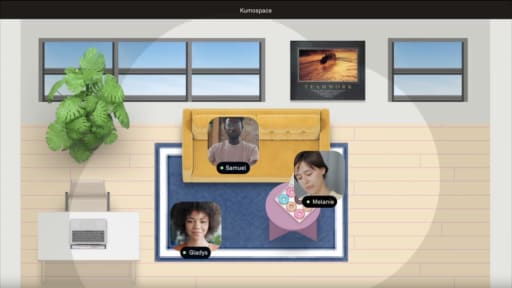
Virtual conference rooms (e.g., Kumospace)
- Fully online spaces for remote interview days, daily stand-ups, and hybrid panels
- Features include spatial audio, screen sharing, and customizable breakout areas
- No travel required; guests join from anywhere with an internet connection
- Ideal for distributed teams conducting technical evaluations across time zones
Hybrid setups
- Pair a physical room in cities like San Francisco, London, or Bangalore with a Kumospace virtual room
- Remote candidates and stakeholders join seamlessly alongside in-person attendees
- Requires careful AV coordination including webcam positioning, microphone coverage, and shared screen visibility
- Increasingly common for engineering teams spread across multiple locations

This section guides you through planning a real event, such as a 2-day AI engineer hiring sprint in May 2026, combining physical conference rooms with virtual spaces like Kumospace.
Pre-planning fundamentals
- Define the goal before booking: board decision, Match Day offers within 48 hours, or roadmap alignment
- Build your attendee list with clear roles (decision-makers, interviewers, candidates, observers)
- Identify required outcomes; what must be accomplished for this meeting to be a success?
- Consider whether a private room or public spaces better suit your needs
Scheduling and agenda design
- Map sessions into time blocks: 30-minute interviews, 90-minute workshops, 15-minute breaks
- Build buffer time between sessions for overruns and transitions
- Create a shared calendar with room names, directions, and video links
- Send invitations at least 48 hours in advance so all attendees can prepare
Room setup checklist
- Specify seating arrangement based on session type (interview panel vs. collaborative workshop)
- Position equipment for optimal visibility: screens facing the main seating area, webcams at eye level
- Prepare signage for wayfinding; especially important in large buildings or conference centers
- Test all AV, screens, microphones, and conferencing links 24 hours before the event
Hybrid coordination
- Pair your on-site room with a Kumospace floor plan or virtual room
- Share both physical location details and virtual links in every calendar invite
- Assign a moderator to monitor remote participants and relay questions
- Ensure the room’s audio pickup works for remote attendees; test with a colleague before the live event
Catering and breaks
- Order morning coffee, light lunch, and afternoon snacks to keep energy levels high
- Typical order deadlines range from 24–48 hours before the event
- Consider dietary restrictions and preferences when arranging food
- Build break times into your agenda; 15 minutes mid-morning and mid-afternoon minimum
Data privacy and candidate experience
- Reserve private rooms for interviews to ensure confidentiality
- Use secure, password-protected Wi-Fi networks
- Brief all interviewers on consistent scoring criteria and candidate treatment
Post-event wrap-up
- Reserve the room (or virtual space) for 30–60 minutes after the main event
- Conduct team debriefs while observations are fresh
- Document next steps and assign owners for follow-up actions
- Collect feedback from attendees to improve future events

Choosing the right format depends on your team distribution, meeting goals, and logistical constraints. Here’s how to decide.
In-person rooms
- Advantages: Stronger rapport, better whiteboarding, immersive workshops, easier side conversations
- Trade-offs: Travel time, scheduling complexity, room availability in high-demand locations
- Best for: Strategy sessions, sensitive negotiations, team-building offsites, and high-stakes presentations
Virtual conference rooms (e.g., Kumospace)
- Benefits: Zero travel, easy participation across time zones, rapid scheduling for global hiring rounds
- Daily stand-ups, remote interview panels, and distributed team meetings work seamlessly
- Lower cost than physical rentals; no room fees, catering, or travel expenses
- Ideal for: Distributed engineering teams, candidates in different cities, and quick-turnaround events
Hybrid setups
- Combine on-site and remote participation in a single cohesive experience
- Common for distributed engineering teams and cross-continent leadership meetings
- Requires intentional design: dedicated moderators, proper AV, and equal engagement for all attendees
- Works well when some team members must be in-person (client meetings, equipment demos) while others join remotely
When to choose each format:
|
Scenario |
Recommended Format |
|
Small local strategy session |
In-person |
|
Large distributed kickoff |
Virtual or hybrid |
|
Match Day hiring sprint |
Hybrid (local panels + remote candidates) |
|
Daily engineering stand-ups |
Virtual |
|
Investor pitch |
In-person or hybrid |
|
Quarterly team offsite |
In-person |
Standardize your toolkit:
- Partner with one or two preferred physical venues in each key city, such as New York, San Francisco, London, and Bangalore.
- Adopt a single virtual platform like Kumospace for all remote and hybrid needs.
- Create booking templates and checklists to reduce friction when planning events.
- Train team members on both physical room setup and virtual platform features.
Using conference rooms for technical hiring
This subsection focuses specifically on recruitment and engineering hiring use cases, aligning with how companies run intensive interview processes.
Setting up for parallel interviews
- Book a suite of small and mid-size rooms for simultaneous technical interviews
- Run system design sessions in larger rooms with whiteboards and screen-sharing capability
- Reserve separate spaces for culture conversations and candidate breaks
- Ensure each room is equipped with the same AV baseline for consistency
Creating a hiring “war room”
- Designate one room as headquarters for hiring managers and recruiters
- Use this space to review candidate data, bias-audited scorecards, and salary benchmarks between sessions
- Keep interview schedules, candidate profiles, and evaluation forms accessible
- Coordinate real-time updates as interviews conclude throughout the day
Virtual room setup for remote candidates
- Configure Kumospace or similar meeting platforms to mirror physical layouts
- Create separate interview rooms and a central virtual lobby
- Remote candidates receive the same structured experience as on-site attendees
- Assign a virtual host to greet candidates and guide them between sessions
Logistics and communication
- Pre-build a schedule with 30–45 minute interview slots
- Send calendar invitations with room names, directions, and virtual links at least 48 hours in advance
- Include contact information for on-site support in case candidates need help finding the location
- Prepare backup plans for technical issues, such as alternative rooms, mobile hotspots, or secondary video links
Treat the room as a brand extension
- Clear signage welcomes candidates and projects professionalism
- Prepare welcome materials, including company overview, team introductions, and agenda
- Ensure a smooth candidate journey from lobby or virtual lobby to final debrief
- The space you choose communicates how you value people, so make it a memorable event
- A well-chosen meeting room sets the tone for the entire candidate experience
Whether you’re conducting board meetings, running a Match Day hiring sprint, or gathering your team for quarterly planning, the right meeting space becomes an extension of your brand. Physical conference rooms offer presence and collaboration, while virtual options like Kumospace provide flexibility and global reach. The most effective teams combine both and standardize their approach to create consistent, professional experiences regardless of where attendees are located.
Start by defining your needs, book a space that supports your goals, and prepare thoroughly. The resources you invest in finding the right meeting space pay dividends in the form of faster decisions, stronger candidate experiences, and more productive collaboration. Your next meeting deserves a perfect venue. Now you know how to find it.