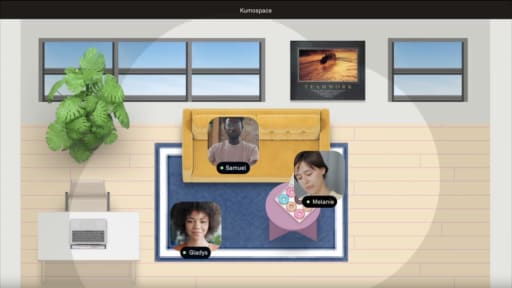
Have you ever sat through a team meeting where everyone seemed disengaged, distracted, or simply going through the motions? You’re not alone. Research shows that teams with stronger emotional connection and psychological safety perform significantly better than those that dive straight into work without acknowledging the human element.
The solution isn’t complicated, but it is transformative: check-in questions. These simple, intentionally crafted prompts can reshape how your team meetings function by creating deeper connections, surfacing issues early, and improving both engagement and outcomes.
In this article, you’ll learn how to implement check-in questions across different meeting types, from daily standups to virtual meetings. Whether you’re managing remote teams or leading in-person team-building activities, you’ll find practical strategies to strengthen team dynamics.
What Are Check-In Questions?
A check-in question is a purposeful prompt used at the beginning, middle, or end of team meetings to gauge participants’ current state, mood, progress, or wellbeing. Unlike casual small talk, these questions serve specific meeting objectives and create structured opportunities for team members to share relevant information about their current situation.
Check-in questions differ from random conversation starters because they’re designed with intention. While you might ask “How was your weekend?” as small talk, a proper check-in question for team meetings might be “On a scale of 1–5, how ready do you feel to tackle today’s priorities, and what’s influencing that number?”
These questions play an important role in creating psychological safety within teams. When team members know they’ll have a moment to share their current state, it reduces anxiety about being “found out” if they’re struggling with something. This practice helps the whole team understand the emotional and practical landscape they’re working within.
The versatility of check-in questions makes them valuable across different meeting types and team structures. Whether you’re running daily standups with a software development team, conducting quarterly reviews, or facilitating team-building activities, the right check-in question can set the tone for more productive and human-centered interactions.
Why Check-In Questions Transform Team Dynamics
The power of check-in questions lies in their ability to establish emotional connection and build trust among team members before diving into work content. When people feel seen and heard as individuals, they’re more likely to contribute authentically to team discussions and collaboration.
Check-in questions also serve as an early warning system for potential issues or roadblocks that might otherwise remain hidden until they become major problems. A team member who mentions feeling overwhelmed during a morning check-in gives the project manager useful information to potentially redistribute workload or provide additional support before deadlines are missed.
These simple practices increase engagement and participation in work meetings. When everyone has had a chance to speak during the check-in, they’re more likely to continue participating throughout the meeting. This equal distribution of conversational turn-taking is a key predictor of team performance, more important than individual intelligence or the presence of the funniest or smartest person on the team.

For managers and team leaders, check-in questions provide important insights into individual and collective team health. Instead of relying on annual surveys or waiting for problems to escalate, leaders can gather real-time data about stress levels, workload balance, and team satisfaction through consistent check-ins.
The practice creates an inclusive environment where everyone’s voice is heard, particularly important for remote teams or larger groups where some members might otherwise remain silent. This is especially valuable when collaborating remotely, where non-verbal cues are harder to read and team members might feel more isolated.
Finally, check-in questions reduce meeting anxiety and create smoother transitions into work discussions. Rather than jumping straight into potentially stressful topics, teams can ease into the meeting space while addressing any emotional or practical concerns that might interfere with focus.
Essential Check-In Questions for Daily Standups
Daily standup meetings require brief but effective check-in questions that can be answered quickly while still providing useful insights. The key is balancing speed with meaningful connection, especially important for teams that meet every morning.
Energy-level questions work well for daily standups: “What’s your energy level on a scale of 1–10 today, and what’s one thing that would help you feel more energized?” This gives the team immediate insight into who might need support or who has extra capacity to assist others.
Progress-focused questions help with sprint updates and goal alignment while maintaining the human element. Try asking: “What’s one win from yesterday that you’re proud of, and what’s your primary focus today?” This combines celebration with forward-looking clarity, essential for maintaining momentum in team building and project work.
For obstacle identification, consider: “Is there anything blocking your progress today, or any way the team can support you?” This surfaces practical issues while reinforcing that support is available, which is crucial for maintaining team dynamics and preventing bottlenecks.
Quick mood or focus check-ins help gauge team readiness without consuming too much time. Questions like “If your current work-life balance were a weather pattern, what would it be?” or “Share one word that describes your mindset coming into today” provide insights while keeping things moving.
The key with standup check-ins is keeping them concise for the typical 10–15 minute format. Consider rotating through different question styles to maintain engagement while gathering various types of useful information about your team’s state.
Project Milestone Check-In Questions
When teams reach significant project milestones, more comprehensive check-in questions become valuable for assessing progress and identifying potential risks before they derail timelines.
Timeline assessment questions help project managers understand realistic expectations: “How confident are you that we’ll hit our next milestone on schedule, and what would need to change to increase that confidence?” This gives leaders actionable information about resource allocation and potential adjustments.
Resource adequacy questions surface capacity issues early: “Looking at everyone’s current workload, do you feel you have adequate time and resources to deliver quality work on this project?” This prevents situations where team members struggle in silence until deadlines become impossible.
Risk identification prompts enable proactive problem-solving: “What’s one potential obstacle or risk you see on the horizon for this project, and how might we prepare for it?” Teams that regularly identify and discuss risks perform better than those that wait for problems to emerge.
Quality assurance questions help maintain deliverable standards: “What’s one thing we should double-check or pay extra attention to as we approach this deadline?” This keeps attention on quality rather than just completion.
Stakeholder communication assessment helps teams stay aligned with organizational needs: “How confident do you feel about our communication with stakeholders, and is there anything they should know about our progress?” This prevents surprises and maintains trust across teams and leadership.
Team capacity questions address the human element of project work: “How is everyone feeling about the current pace and intensity of work, and what adjustments might help us maintain quality while meeting our goals?” This acknowledges that sustainable performance depends on team wellbeing.
One-on-One Check-In Questions
One-on-one meetings provide opportunities for deeper, more personal check-in questions that support individual development and strengthen manager–employee relationships.
Personal development-focused prompts help employees reflect on growth: “What’s one skill you’ve been developing lately, and how can I support your progress?” or “What’s one professional challenge you’d like to tackle in the coming weeks?” These questions show investment in individual success beyond immediate project needs.
Work-life balance assessment becomes crucial for preventing burnout: “How are you feeling about your current work-life balance, and what’s one adjustment that might improve it?” or “What’s been most energizing and most draining about work lately?” This gives managers early visibility into stress and engagement levels.
Feedback and support needs identification helps managers provide targeted assistance: “What’s one area where you’d like more guidance or feedback?” or “Is there a skill or resource that would help you feel more confident in your role?” This creates opportunities for meaningful development conversations.
Goal progress and priority alignment questions keep everyone focused: “Looking at your key objectives, which one feels most achievable right now and which feels most challenging?” This helps managers understand where to focus support and whether expectations should be adjusted.

Relationship and collaboration effectiveness check-ins improve team dynamics: “How are your working relationships with other teams feeling lately?” or “Is there anyone you’d like to collaborate more closely with, or any relationship that feels strained?” This helps managers address interpersonal issues before they impact performance.
Career growth conversations become more meaningful with targeted questions: “What’s one aspect of your role that you’d like to expand, and what’s one responsibility you’d consider delegating or reducing?” This helps align individual aspirations with team needs and organizational opportunities.
Team Morale and Culture Check-In Questions
Regular assessment of team satisfaction and culture helps leaders maintain a positive, productive work environment and address issues before they impact performance or retention.
Team satisfaction measurement questions provide valuable pulse data: “On a scale of 1–10, how satisfied are you feeling with the team’s collaboration lately, and what’s driving that score?” or “What’s one thing about working with this team that you really appreciate right now?” These help leaders understand what’s working well and what needs attention.
Communication effectiveness assessment questions surface important team dynamics: “How well do you feel information flows within our team, and where do you see room for improvement?” or “Do you feel comfortable bringing up concerns or ideas with the team?” These insights help leaders adjust communication practices and create safer spaces for dialogue.
Workplace culture and values alignment check-ins ensure everyone feels connected to the team’s mission: “How well do you feel our day-to-day work reflects our stated team values?” or “What’s one example of our team culture at its best that you’ve seen recently?” This reinforces positive behaviors while identifying gaps.
Recognition and appreciation opportunities strengthen team bonds: “Give a shout-out to someone on the team, who and why?” or “What’s one contribution from a teammate this week that made your job easier?” These questions build positive team dynamics and ensure good work gets noticed.
Team bonding questions help build relationships beyond work tasks: “What’s one interesting thing about a teammate that you learned recently?” or “If the team could spend a day doing any activity together, what would you choose?” These foster personal connections that improve collaboration.
Company culture alignment questions help teams stay connected to broader organizational values: “How do you see our team contributing to the overall company culture?” This helps maintain perspective beyond immediate team boundaries.
Virtual Meeting Check-In Questions
Remote teams and virtual meetings require adapted check-in questions that address the unique challenges of collaborating remotely while building connections across digital spaces.

Technology and connectivity verification helps prevent technical frustrations: “How’s your tech setup feeling today? Anything we should know about before we dive in?” or “Is anyone dealing with connectivity issues or distractions we should be aware of?” This sets realistic expectations and allows for adjustments.
Remote work environment assessment questions acknowledge the realities of working from home: “What’s your work-from-home situation today? Quiet space or controlled chaos?” or “How many cups of coffee deep are you, and should we expect peak or low-energy [Name] today?” These questions add humor while gathering practical information.
Focus-level questions help leaders gauge meeting readiness: “On a scale of 1–10, how present and focused are you feeling for this next meeting, and what would help increase that number?” This helps facilitators adjust pacing or energy as needed.
Isolation and connection needs assessment becomes crucial for remote teams: “What’s one way you’ve felt connected to the team this week, and what’s one way you’d like to feel more connected?” This helps leaders identify relationship-building opportunities and address feelings of disconnection.
Virtual collaboration effectiveness check-ins help teams improve their digital working practices: “How are our virtual meetings feeling lately? What’s working well and what could we adjust?” This continuous improvement approach helps teams refine their remote work practices.
Time zone and scheduling considerations become important for distributed teams: “How is everyone feeling about our current meeting timing, and is there anything we should adjust to better accommodate everyone?” This ensures equitable participation across locations.
Morning routine questions add personal connection to virtual interactions: “What’s one thing from your morning routine that helped you feel ready for the day?” These help team members learn about each other’s lives outside work, building stronger relationships despite distance.
Best Practices for Effective Check-In Questions
Crafting Meaningful Questions
Effective check-in questions require thoughtful construction to generate useful insights rather than perfunctory responses. The best questions are open-ended and encourage detailed responses that reflect team members’ current state and needs.
Avoid yes/no questions that limit conversation depth. Instead of asking “Are you feeling good about the project timeline?” try “How confident do you feel about our project timeline, and what factors are influencing that confidence?” This invites more nuanced answers and actionable information.
Make questions specific to the current context and meeting purpose rather than relying on generic prompts. A question about weekend plans might work for team-building activities, but daily standups need prompts focused on work readiness and immediate priorities. Consider your meeting objectives when selecting questions.
Balance professional and personal elements appropriately for your team’s comfort level and organizational culture. Some teams enjoy lighter, personal prompts, while others prefer work-focused questions about workload or project confidence.
Rotate questions regularly to maintain freshness and engagement. Teams can become bored with repetitive prompts, so maintain a collection of different check-in questions you can cycle through based on timing, team needs, and meeting objectives.
Implementation Strategies
Set clear time boundaries to prevent check-ins from consuming disproportionate meeting time. Aim for 2–3 minutes per person at most, and communicate these expectations clearly. For larger teams, consider breaking into pairs first and then sharing highlights with the group.
Create a safe space for honest responses without judgment or immediate problem-solving. When someone shares a struggle during check-in, resist the urge to provide solutions immediately. Instead, acknowledge their input and note that you’ll follow up individually if appropriate.
Model vulnerability by sharing authentic responses as a leader. If you want team members to be honest about their challenges or current state, demonstrate that behavior yourself. Share your own energy level, concerns, or excitement genuinely.
Follow up on concerning responses privately after meetings rather than addressing everything publicly. If someone mentions significant stress, workload issues, or other concerns during check-in, schedule individual time to explore how you can support them.

Document patterns and trends for team development insights. Keep notes about recurring themes in check-ins; are multiple people mentioning workload stress? Are there patterns about time-machine wishes or bucket-list items that reveal team values or aspirations? This information helps guide team development and support strategies.
Common Mistakes to Avoid
Using generic questions that produce surface-level responses represents one of the biggest missed opportunities with team check-in questions. Questions like “How is everyone?” typically generate “Fine” responses that provide no useful information and waste valuable meeting time.
Allowing check-ins to consume too much meeting time defeats their purpose of creating efficiency and connection. If your 30-minute team meetings regularly run 45 minutes because of extended check-ins, you need to adjust your approach or question selection for better time management.
Forgetting to follow up on issues raised during check-ins can damage trust and make team members feel unheard. If someone mentions being overwhelmed or facing challenges, failing to check in later sends the message that their sharing wasn’t valued or important.
Making check-ins feel mandatory rather than supportive creates resistance and reduces authenticity. While consistency matters, team members should feel they can decline to share or keep responses brief when needed without negative consequences.
Using inappropriate questions for team maturity level or organizational culture can create discomfort or disengagement. A question about worst-enemy scenarios might work well for a close-knit creative team but could feel inappropriate in a formal corporate environment.
Neglecting to adapt questions for remote versus in-person settings misses important contextual considerations. Questions about morning-person versus night-person preferences might be more relevant for virtual meetings where people are joining from home, while questions about takeaway food preferences might work better for in-person team gatherings.
Measuring Check-In Question Effectiveness
Track meeting engagement levels before and after implementing regular check-ins to measure their impact on team dynamics. Notice whether people participate more actively in discussions following check-in rounds or whether meetings feel more collaborative and inclusive.
Monitor team satisfaction scores through quarterly surveys that include questions about meeting effectiveness, psychological safety, and team connection. Look for improvements in areas like “I feel heard in team meetings” or “I understand my teammates’ current challenges and priorities.”
Assess problem identification and resolution speed improvements that may result from regular check-ins surfacing issues earlier. Teams that consistently use check-ins often catch potential problems before they become serious obstacles, leading to smoother project execution and fewer crisis situations.
Evaluate communication quality and frequency changes within your team. Teams that regularly practice check-ins often develop better overall communication habits, with team members more likely to proactively share updates, concerns, or support needs outside of formal meetings.
Measure retention rates and team stability metrics to understand longer-term impacts. Teams with strong connection and psychological safety, fostered partly through consistent check-in practices, often experience lower turnover and higher job satisfaction.
Consider tracking specific metrics like:
- Average meeting participation rates
- Frequency of individual team member contributions
- Time to problem identification and resolution
- Team satisfaction survey scores
- Voluntary feedback frequency
- Project milestone achievement rates
Summary
Implementing effective check-in questions transforms ordinary team meetings into opportunities for genuine connection, early problem identification, and improved collaboration. Whether you’re managing remote teams, facilitating team-building activities, or leading daily standups, the right questions create psychological safety and engagement that drive better results.
Start small by introducing one simple check-in question to your next meeting. Notice how it changes the energy and information flow, then gradually build a consistent practice that serves your team’s unique needs and culture. The investment of a few minutes in each meeting will pay dividends in team performance, satisfaction, and retention.
Remember that the most powerful aspect of check-in questions isn’t any single prompt, but the consistent ritual of creating space for team members to be seen and heard as whole people, not just task performers. This human-centered approach to meetings builds the foundation for everything your team wants to accomplish together.
Frequently Asked Questions
Daily meetings work best with quick 30-60 second check-ins, weekly meetings can support 2-3 minute deeper prompts, and monthly or quarterly sessions allow for more reflective questions; what matters most is choosing a consistent cadence that fits your team.
Remote teams benefit from prompts that address energy levels, focus, connection needs, and work-from-home realities while also verifying tech readiness.
Leaders can model deeper sharing, ask gentle follow-up questions, build psychological safety over time, and offer alternative formats like anonymous or written check-ins for those who prefer more private or reflective communication.
Share questions in advance for introverted team members, vary question styles to suit different communication preferences, stay culturally sensitive to comfort levels around personal sharing, and offer multiple participation formats to ensure everyone can engage in a way that works for them.
Set clear time limits, choose concise prompts, and adjust the format for larger groups so check-ins remain meaningful without extending the meeting.