Illustration of a modern office with employees working and talking under world map, symbolizing managing time zones in global teams.

How to Manage Time Zones in Global Teams Without Losing Productivity

By Sammi Cox

Managing teams across multiple time zones is one of the defining challenges of modern global collaboration. Whether your distributed team spans San Francisco to Singapore or New York to Bangalore, the way you handle time differences determines whether your company gains a competitive edge or burns out its best people. This article provides practical strategies for managing time zones in global teams, from establishing overlap hours to implementing async-first communication norms that keep everyone on the same page.

Key Takeaways

  • Use async-first communication as the default and reserve real-time meetings for high-value collaboration during protected overlap hours of 2 to 4 hours per day.
  • Rotate meeting times fairly so no single region consistently handles early or late calls, and use time zone–aware tools like World Time Buddy, Google Calendar, and Kumospace to reduce scheduling conflicts.
  • Leverage follow-the-sun workflows to turn time zone differences into an advantage, enabling near 24-hour progress on projects.

Why Time Zone Diversity Can Boost Global Team Performance

Global teams in 2026 frequently span major hubs like San Francisco (PT), New York (ET), London (GMT), Berlin (CET), Bangalore (IST), and Singapore (SGT). This creates spreads of 13 to 16 hours depending on daylight savings shifts, a logistical puzzle but also a remarkable opportunity.

The follow the sun model demonstrates this potential clearly. When North American team members complete design work by 6pm ET, European colleagues in Warsaw (CET) can test overnight. APAC teams then deploy updates before the US wakes up. Research from organizations like Axelerant shows this approach can accelerate feature ships by 30 to 50% in agile setups.

Beyond velocity, time zone diversity expands access to global talent far beyond local hiring markets. Harvard Business School research notes that remote work unlocks skills and fresh perspectives worldwide, though east-west spreads require more intentional management than north-south arrangements.

Core Challenges of Managing Global Time Zones

Time zones introduce friction around scheduling, responsiveness, and inclusion when left unmanaged. Recognizing these challenges is the first step toward solving them.

Scheduling pain hits hardest with trios like Los Angeles (PT), London (GMT), and Manila (PHT). When 8am PT is 4pm GMT and midnight PHT, someone always draws the short straw. Finding a reasonable meeting time often means early morning calls for some and late nights for others.

Communication lag stalls decisions when teams rely on real-time communication instead of documenting context asynchronously. A question asked at 5pm in New York might wait 12 to 24 hours for an answer from Singapore unless clear communication norms exist.

Time zone bias tends to favor HQ time, often ET or CET, burdening APAC or west coast employees with recurring 6am or 10pm calls. This silent inequity compounds over months, eroding morale.

Burnout and always-on expectations emerge when remote workers feel pressure to respond outside work hours just to keep up. Studies show remote workers often stretch schedules 1 to 2 hours daily to connect with colleagues, risking both efficiency and wellbeing.

Culture fragmentation happens when side conversations and decisions occur in one time zone while others catch up via scattered chats or miss context entirely.

Principles for a Healthy Multi-Time-Zone Culture

Leaders should try to define cultural norms around different time zones rather than letting habits form by accident. The following principles create the foundation for sustainable global collaboration.

These principles should appear in onboarding materials, team charters, and manager training. Use visible artifacts such as team time zone maps in tools like Kumospace, shared documents, and pinned Slack messages to keep them top of mind.

Asynchronous-First Communication

Async-first means defaulting to written or recorded communication that others consume on their own schedule. Meetings become the exception rather than the rule.

Practical behaviors include:

  • Posting decisions in shared channels rather than DMs
  • Using project management tool platforms (Jira, Asana, Linear) for status updates
  • Recording short Loom videos instead of scheduling status meetings
  • Maintaining response windows (e.g., <24 hours for non-urgent messages)

Document decisions in a central knowledge base so someone starting at 9am in Sydney fully understands work done in New York overnight. Asynchronous tools become the backbone of global team cohesion.

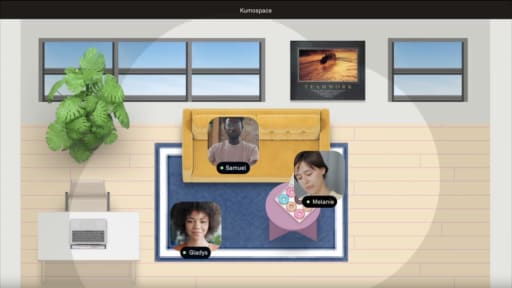
Virtual offices like Kumospace support async norms by making status visible, such as focus, away, or in-meeting, and offering persistent project rooms for ongoing discussions without requiring live presence.

Time Zone Fairness and Meeting Rotation

Time zone fairness means sharing inconvenience. No single region should consistently bear awkward hours for meetings.

Concrete examples:

  • Rotate a monthly all-hands between 9am ET / 2pm GMT and 5pm ET / 10pm GMT
  • Alternate quarterly to include APAC more favorably
  • Create explicit policy: “No recurring meeting may permanently sit outside 8am–6pm local hours; if it does, rotate it quarterly”

Identify meetings that must be synchronous, such as quarterly strategy or incident response, and design times with rotation and recording in mind. Record meetings so those who cannot attend live can catch up. Track who regularly attends at awkward hours and adjust to prevent silent overwork so employees feel valued across regions.

Protected Overlap Hours

Overlap hours represent the limited daily window when distant time zones are simultaneously online. For US and Europe, this might be 8 to 10am PT, 11am to 1pm ET, and 4 to 6pm GMT.

Define 2–4 hours of overlap time for each cross-regional team pairing. Use these windows solely for collaboration that requires real-time meetings: workshops, 1:1s, and live problem-solving.

Protect overlap with calendar rules:

  • Minimize status updates during this window
  • No optional meetings during overlap
  • Focus on high-value synchronous collaboration

Outside overlap hours, individuals focus on deep work, async updates, and handoffs. Shared time zone visualizations or Kumospace maps showing who is currently online help plan ad hoc collaboration during these limited windows.

Explicit Team Agreements on Time Zones

Create a one-page team agreement document covering time zones, expected hours, response times, and escalation paths.

Region

Working Hours

Overlap Window

Berlin (CET)

9am–5pm

4–6pm CET

Chicago (CT)

9am–5pm

9–11am CT

Document preferences like no-meeting Fridays or avoiding lunchtime calls. Review agreements twice yearly as team members or locations change. Storing them somewhere accessible such as a shared Confluence/Notion page linked from the team’s Kumospace room works well.

Practical Scheduling Strategies for Global Teams

Scheduling is where time zone strategy becomes tangible for the entire team. The following approaches turn principles into calendar reality.

Rotating and Batch-Scheduling Meetings

Group cross-time-zone meetings into defined overlap blocks so people can protect time for deep work around them.

Rotation patterns:

  • Sprint planning alternates between 8am PT / 11am ET and 1pm PT / 4pm ET every other week
  • Publish a quarterly meeting schedule calendar so teams in Melbourne or Dublin know which months favor their region

Use Google Calendar or Outlook with time zone labels such as “10:00 to 10:30 ET / 16:00 to 16:30 CET” to prevent confusion and reduce scheduling conflicts

Using Time Zone Differences for Follow-the-Sun Workflows

A sample follow-the-sun workflow:

  1. US engineers commit code by 6pm ET
  2. European QA tests overnight into their morning
  3. APAC support teams update docs before US morning

Create a handoff checklist documenting what information must be captured at the end of the day so another region can continue seamlessly. Use Kanban boards such as Jira, Trello, or Linear, and persistent rooms in Kumospace where teams leave visual handoff notes and pin key documents.

Follow-the-sun works best for tasks with clear definitions. Ambiguous or high-debate topics still benefit from live overlap time to meet face to face virtually.

Communication Practices That Work Across Time Zones

Tools alone do not fix time zone issues, communication norms make tools effective. These practices encourage participation across regions.

Asynchronous Standups and Status Updates

Replace daily Zoom standups with a written template posted in a dedicated Slack channel:

  • Yesterday: What you completed
  • Today: What you’re working on
  • Blockers: What’s slowing you down

Everyone posts by their local 11am. Managers in London review APAC posts early and Americas posts later. Bots can prompt updates and summarize them for managers.

Kumospace can host an always-on standup room where people drop in short video check-ins on their own schedule, enabling asynchronous channels to stay connected without calendar overhead.

Documenting Decisions and Context

With global teams, undocumented decisions might as well not exist for people working while others sleep.

Use a single source of truth (Confluence, Notion, wiki) with a simple decision log:

  • Date
  • Decision
  • Owner
  • Time zones involved
  • Link to discussion

Link chat summaries back to this knowledge base so new hires in different timezones catch up without chasing people across hours.

Label messages with urgency: [Info], [Decision Needed by <date>], [Urgent Today]. Minimize DMs in favor of public channels so later time zones can read conversations and contribute.

Presence indicators in Kumospace show who’s “in the office,” in focus mode, or away, reducing unnecessary pings outside work hours.

Respecting Work-Life Boundaries Across Time Zones

Sustainable global collaboration depends on respecting local evenings, weekends, and holidays. Ignoring work-life boundaries quietly erodes morale, especially for remote workers already struggling to separate work from home life.

Clarifying Preferred Working Hours and Availability

Have each team member document:

  • Typical work hours
  • Lunch breaks
  • “Do not disturb” blocks

Create a visual team time zone map pinned in Slack and displayed in a shared Kumospace space. Review preferences twice yearly and whenever someone relocates.

State explicitly: people are not expected to respond outside published hours except for rare, pre-agreed exceptions. This protects personal time across different cultures.

Avoiding an Always-On Culture

Global Slack channels tempt people to check messages late at night “just in case.”

Countermeasures:

  • Use delayed send for emails arriving in recipient’s morning
  • Set clear status messages during offline times
  • Limit urgent channels to truly critical issues

Leaders must model healthy behavior: no recurring 10pm calls, no praising late-night work as the norm, and visibly taking time off. Many tools support scheduled sending; use them.

Designing Fair On-Call and Incident Rotations

Use explicit on-call schedules rotating by geography. Example: a SaaS company rotates weekly primary on-call between Denver, Dublin, and Sydney.

Compensate inconvenient hours fairly with time off or additional pay. Use the right tools that route alerts to whoever is on-call during their local daytime, reducing middle-of-the-night wakeups.

Tools and Platforms That Make Time Zones Easier

Tools remove manual work and confusion but cannot replace good practices. The global workforce benefits from visual tools that make time differences tangible.

World Clock and Time Zone Planning Tools

Tools like World Time Buddy or Time Zone Ninja visualize time zones across three or more locations. A manager can compare 9am to 6pm hours in ET, CET, and IST to find overlapping hours quickly.

Always include city names alongside zones, such as “3pm London / 10am New York,” to avoid daylight savings confusion. Embed these into onboarding so new hires understand how their schedules align.

Calendar Tools with Time Zone Intelligence

Google Calendar and Outlook allow setting primary and secondary time zones with multiple columns visible. Turn on Working Hours and Location so colleagues can see general availability.

Use shared team calendars for overlap blocks, no-meeting days, and recurring cross-regional rituals. Verify recurring meetings display correctly when someone travels, a common mistake that causes confusion.

Async Collaboration Platforms and Knowledge Hubs

Tools like Confluence and Notion act as the backbone for async decisions and documentation. Product specs live in one space with comments visible to colleagues in Mexico City and Singapore simultaneously.

Integration between chat tools and knowledge hubs reduces context loss. Global employees should start their day by checking a single hub to understand what changed overnight, keeping everyone aligned.

Virtual Offices and Presence Tools

Virtual office platforms like Kumospace replicate the sense of a shared workspace for distributed team members across different time zones.

Kumospace shows where teammates are “located” virtually, their current status, and which project rooms are active. This makes cross-time-zone collaboration more intuitive.

Use cases include:

  • Persistent rooms for specific projects
  • Regional floors for US, Europe, and APAC
  • Ad-hoc drop-ins during overlap hours

Features like spatial audio, screen sharing, and integrated chat reduce the need for one-off meeting links. Teams stay connected and feel like one team despite the world separating them.

Measuring and Improving Time Zone Health Over Time

Time zone management isn’t “set and forget.” Leaders should measure how well practices work and iterate based on data, which makes a big difference in team performance over time.

Surveying Engagement by Region and Time Zone

Include region questions in engagement surveys so results can be segmented by geography. Look for signals such as lower belonging scores in APAC or higher burnout reports on the west coast.

Run pulse surveys after major changes like shifting all-hands times. Share results with the team and outline clear follow-up actions.

Analyzing Communication and Meeting Data

Review employee metrics like:

  • Who attends live meetings vs watches recordings, by time zone
  • Async channel posting patterns (volume, hours, region)
  • Regular check ins showing calendar outliers (>8am-6pm meetings)

Use calendar analytics to identify people regularly in meetings outside normal hours. Adjust recurring slots to prevent burnout.

Iterating on Agreements and Rituals

As hiring expands to new regions such as São Paulo or Nairobi, existing team agreements need revisiting. Establish a recurring review cadence, at least annually.

Involve representatives from each major region in decisions to avoid HQ-centric choices. Document each iteration and explain the rationale so changes feel transparent rather than arbitrary.


Conclusion

Managing time zones effectively is not just about scheduling meetings, it is about building a system that supports productivity, fairness, and clarity across regions. Teams that embrace async communication, protect overlap hours, and share responsibility for inconvenient meeting times create a more sustainable way of working.

The right combination of tools and clearly defined practices helps teams stay aligned without constant real-time coordination. Visibility into schedules, strong documentation, and thoughtful workflows turn time differences into an advantage rather than a barrier.

As your team grows globally, revisit your approach regularly, listen to feedback from each region, and refine your processes. When done well, time zone management enables faster progress, better collaboration, and a healthier experience for everyone involved.

Frequently Asked Questions

Transform the way your team works from anywhere.

A virtual office in Kumospace lets teams thrive together by doing their best work no matter where they are geographically.

Headshot for Sammi Cox
Sammi Cox

Sammi Cox is a content marketing manager with a background in SEO and a degree in Journalism from Cal State Long Beach. She’s passionate about creating content that connects and ranks. Based in San Diego, she loves hiking, beach days, and yoga.

Transform the way your team works.