Your brain was not designed to remember that rent is due on the 1st, your prescription needs refilling on the 15th, and your car insurance renews in November. Research suggests we forget up to 50 percent of new information within an hour, and that assumes you were not distracted when you heard it.
Common situations where reminder apps prevent real problems:
- Medication times that must happen at specific hours daily
- Rent or bill payments on fixed monthly dates
- Weekly status meetings with clients or your team
- Annual renewals like car insurance, domain names, or subscriptions
- Recurring grocery reminders so you don’t forget things like milk or medications
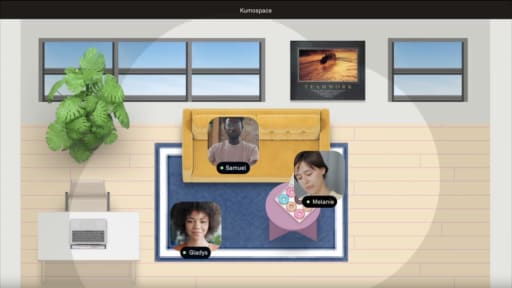
Reminder apps serve both individuals and teams. For distributed teams, tools like Kumospace help by sending meeting reminders before scheduled virtual sessions, ensuring everyone shows up for weekly stand-ups or project check-ins.
A phone alarm can handle a single wake-up call. Modern reminder apps handle recurring rules (every Monday at 9 AM), location-based reminders (alert me when I arrive at Target), and shared reminders (tell my partner to buy milk). This reduces cognitive load in ways a basic alarm cannot.
Think of a reliable reminder app as an external brain. Instead of burning mental energy remembering dates, you free up attention for meaningful work and actually doing the tasks instead of trying not to forget them.

This section reviews each app in detail, covering practical strengths, real pricing, platforms, and who should choose each one. Each review follows a consistent structure: overview, key features, pricing and platforms, and ideal users.
Due – best for aggressive, can’t-miss reminders (iPhone, iPad, Mac)
Due exists for one purpose: making sure you do not miss reminders. Its persistence mechanism repeats notifications until you explicitly mark the reminder complete.
The Auto-Snooze feature repeats reminders every 1, 5, 10, or 15 minutes until you take action. This works well for medications, time-sensitive calls, or tasks where dismissing once means forgetting. ADHD users benefit from Due’s aggressive reminders.
Due syncs via iCloud or Dropbox across iPhone, iPad, Mac, and Apple Watch. The interface stays simple: add reminder, set time, done. There is no complex project management, collaboration features, or location-based alerts.
Due works best for personal reminders on Apple devices. It will not replace a task management system for work projects. For team-level reminders, pair Due with Kumospace or a cross-platform app.
Any.do – best cross-platform reminders for families and couples
Any.do runs on iOS, Android, web, Windows, and macOS. Its strength lies in shared lists and household coordination.
The “Plan my Day” feature prompts you each morning to review and schedule tasks. Time-based and location-based reminders work well, and calendar integration with Google Calendar and Outlook keeps everything synchronized.
Collaborative features allow sharing grocery lists, assigning chores, and creating family reminders. The interface is simple enough for non-tech-savvy users.
Pricing includes a free version for basic reminders. Premium plans start around $7.99/month or $4.99/month billed annually, unlocking location-based alerts, advanced sharing, and extra reminder features.
Any.do works best for couples, families, and roommates who need shared coordination. For professional team collaboration, pair it with meeting tools.
Todoist – best for power users who live in lists
Todoist is a comprehensive task management platform. Natural language input makes adding tasks fast. Recurring tasks, projects, labels, priorities, and filters create a complete system for managing personal and work tasks.
Location-based reminders are available on paid tiers. Integration runs deep with Google Calendar, Outlook, Slack, Zapier, and many other apps. Cross-platform coverage includes iOS, Android, macOS, Windows, Linux, web, and browser extensions.
The free tier handles basic to do lists. Pro plans start around $5/month billed annually and unlock reminders, labels, and advanced features. Business plans are available for small teams.
For distributed teams, Todoist handles individual tasks while Kumospace manages scheduled team sessions and meeting reminders.
TickTick – best all-in-one: reminders, habits, and focus
TickTick combines reminders, habit tracking, Pomodoro timers, and calendar views. Daily reminders pair with habits, and study or work sessions use built-in Pomodoro timers. A monthly calendar view shows deadlines at a glance. Time- and location-based reminders are supported.
Cross-platform support includes iOS, Android, macOS, Windows, web, and browser extensions. Calendar integrations cover Google Calendar, Outlook, and iCloud.
A generous free tier covers most needs.
TickTick’s many features can overwhelm new users. Start with basic reminders and a few habits before exploring Pomodoro timers and advanced views. TickTick offers bundled tools without extra cost, though Todoist is faster for natural input and focused task management.
Microsoft To Do – best free reminder app for Microsoft 365 users
If your workflow runs through Microsoft Outlook and Windows 11, Microsoft To Do is a natural choice. It is free and integrates deeply with the Microsoft ecosystem. Flagged emails automatically appear as tasks with due date reminders, recurring reminders cover daily or monthly tasks, and the simple list structure keeps everything organized. Sync works across Windows, iOS, Android, and web through your Microsoft account. Microsoft To Do lacks location-based reminders and advanced features, but it is ideal for Office 365 users. For team sessions or virtual stand-ups, pairing with Kumospace provides scheduling and notifications.
Things 3 – best designed reminder app for Apple fans
Things 3 prioritizes design and user experience for Apple users. Projects, areas, headings, and tasks support due dates and reminders, with Siri and Apple Calendar integration.
Things 3 suits freelancers, creatives, and solo professionals who value structure and design within the Apple ecosystem.
Google Keep – simplest note-based reminders
Google Keep attaches reminders to notes. Time- and location-based alerts work across Android, iOS, and web, with Google Calendar, Gmail, and Assistant integration. It is completely free with a near-zero learning curve. Keep is ideal for light reminders, quick notes, or grocery lists. Heavy users may combine it with a more robust app for complex projects.
Kumospace – best for meeting and team reminders in virtual offices
Kumospace focuses on scheduled sessions and room-based events for distributed teams. Recurring slots like daily stand-ups, weekly retros, and monthly all-hands send reminders that bring participants into virtual rooms on time. Integration with Google Calendar and Outlook ensures sessions appear in users’ calendars. Kumospace complements personal reminder apps, handling team-oriented reminders while apps like Due or TickTick cover individual tasks. It is best for remote teams building rituals around virtual presence.

Beyond the major players, several specialized apps deserve attention for specific needs:
Alarmed (iOS) focuses on repetitive reminders with audio cues, particularly useful for users who need spoken reminders or more aggressive audio alerts than standard notifications provide. Works well for visually impaired users or those who respond better to sound than visual prompts.
MyStudyLife targets students specifically, combining class schedules, assignment deadlines, and exam reminders in one app. It understands academic concepts like rotating timetables and term dates that general to do list apps don’t handle well.
Medisafe specializes in medication reminders with features like pill identification, refill reminders, and caregiver notifications. For anyone managing complex medication schedules, it outperforms general reminder apps that weren’t designed for health tracking.
Structured (iOS) appeals to users who want time-blocked daily planning with visual timelines. It combines to-do lists with calendar-style scheduling, showing exactly when each task happens throughout the day.
These apps often include 2026 features like improved accessibility for neurodivergent users, Apple Watch and Wear OS support, and AI scheduling suggestions that adapt to your patterns.