Illustration of a person working at a tidy desk with a laptop, lamp, bookshelves, and a large plant.

Try These Proven Strategies to Stay Organized at Work

By Sammi Cox

It’s 2:30 PM on a Tuesday. You have 47 unread emails, three people waiting for feedback in Slack, a project deadline tomorrow you haven’t started, and someone just scheduled a “quick sync” during your last focus block. Sound familiar?

Staying organized at work in 2026 is harder than ever. Hybrid schedules, back-to-back Zoom meetings, constant notifications, and looming deadlines fragment your attention and leave you mentally exhausted. Missed deadlines, lost documents, nonstop context switching, and burnout are all common.

This article shows strategies to take back control: build a task system that works, organize your digital workspace, centralize team communication, create routines that stick, protect focus time, keep physical and virtual spaces tidy, and align with team workflows.

Start With a Clear Task System

You know that feeling when your tasks are scattered across sticky notes, flagged emails, half-finished lists, and things you only remember from meetings? That mental juggling act is exhausting and makes professionals feel overwhelmed even when the workload is manageable.

The solution is simple: create one source of truth for your tasks. Use a digital to-do app, project board, or a single notebook, but consolidate everything in one place you check consistently. Multiple locations make you spend more time searching and worrying than actually working. A centralized list eliminates that friction and gives a clear view of what needs attention.

Once tasks are in one place, prioritize effectively. The Eisenhower Matrix divides tasks into four quadrants: urgent and important (do immediately), important but not urgent (schedule for later), urgent but not important (delegate), and neither urgent nor important (eliminate). Many people spend too much time on urgent-but-unimportant work that does not move high-impact projects forward.

A practical approach is to maintain three lists: Today (3-5 items), This Week (7-10 items), and Later This Month (everything else that matters but isn’t urgent). This structure keeps your daily list realistic and prevents it from becoming an anxiety-inducing scroll.

Block 10-15 minutes every morning to review and prioritize tasks before opening email or chat. Check your calendar, identify top priorities, and decide what must be done before the end of the day. Teams can extend this practice with daily standups in Kumospace, where everyone shares their top three priorities in a shared virtual office. When the team is aligned, work moves faster and with less confusion.

Organize Your Digital Workspace (So You Can Actually Find Things)

Open your browser right now. How many tabs do you have? If you’re like most knowledge workers, the answer is “too many to count.” Add in a chaotic desktop full of screenshots, multiple messaging apps with notifications, and files saved to random folders with names like “Final_v2_ACTUAL_FINAL.docx,” and you have digital clutter that slows you down every day.

The fix starts with a consistent folder structure for your work files. Organize by year, quarter, and project, something like “2026 > Q1 > Client_A > Reports.” This makes it clear where files belong and where to find them later, saving time and reducing stress.

File naming conventions are just as important. Pick a format and stick to it across your team. A name like “ClientA_MonthlyReport_2026-03_v1” shows what the file is, who it’s for, when it was created, and which version it is. Other examples include “ProjectX_Proposal_2024-03_Draft,” “TeamMeeting_Notes_2026-02-15,” and “Q3Budget_Forecast_v2_Final.” No more guessing which file is correct.

Email needs its own system. Create four folders: Action for items that need your work, Waiting for emails you are waiting on, Reference for information you might need later, and Archive for everything else. Check your inbox at scheduled times two or three times a day instead of constantly reacting to every message. This keeps email from controlling your schedule.

Turn off non-essential notifications from apps that don’t require immediate attention. Check Slack, Teams, or other messaging tools at scheduled intervals. When working with teammates, host documents in a central, shared location and screen-share them during Kumospace meetings. This ensures everyone sees the same version and avoids confusion that can derail discussions.

Centralize Communication and Information

Here’s a scenario that happens in organizations every day: a decision was made last week about the project timeline, but nobody can find where it was documented. Was it in an email thread, a Slack DM, or the meeting notes someone was supposed to share but didn’t? Meanwhile, three people are working from different assumptions and the project is already off track.

Centralizing communication isn’t just convenient. It reduces the friction that causes misalignment and wasted effort. When information lives in one predictable place, teams spend less time searching and more time executing.

Start by defining where different types of information live. Decisions and project updates belong in your project management tool. Quick questions go in team chat channels. Documents live in a shared drive like Google Docs or your company’s system. Meeting notes get posted in a dedicated space everyone knows to check. When the rules are clear, people stop asking “where should I put this” and start putting things in the right place automatically.

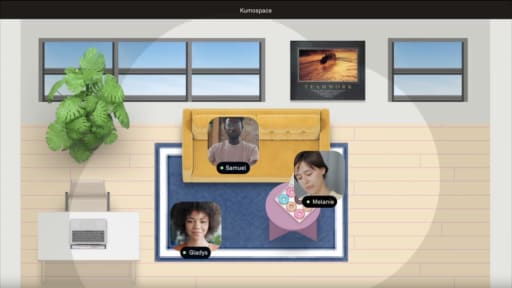
A virtual office platform like Kumospace can serve as a home base where teams gather in specific rooms for projects, daily check-ins, and ad hoc questions. Instead of hunting through channels to find the right person, you can see who is available and join their room for a quick conversation just like walking over to someone’s desk in a physical office.

Channel and room naming conventions help keep things organized as your team grows. Use prefixes that make the purpose obvious: “#proj-client-a” for project discussions, “#team-marketing” for department channels, and “#announcements” for company updates. Stick to these conventions consistently and finding the right conversation becomes intuitive.

Establish light communication norms that everyone follows. Use threads to keep conversations organized, summarize decisions at the end of discussions, tag owners when assigning action items, and include due dates when something needs to happen by a certain time. These simple rules prevent the chaos of undifferentiated messages where nothing is actionable and everything is noise.

Build Daily and Weekly Routines That Stick

Daily and weekly routines save mental energy. Every decision you make depletes a finite pool of cognitive resources. When you constantly decide what to work on next, when to check email, and how to structure your day, you drain energy that could go into actual work. Routines automate those decisions and keep you organized without relying on willpower.

Consider an ideal workday with concrete time blocks. Morning hours from 9:00 to 11:00 can be reserved for deep work, 11:00 to 11:30 for email triage, 1:00 to 4:00 for meetings and collaborative work, and 4:00 to 5:00 for administrative tasks and planning. This is not rigid, but having a default structure means you are not starting from scratch every day.

Time blocking assigns specific tasks to specific calendar slots. Instead of vaguely intending to “work on the proposal today,” block 9:00 to 11:00 for proposal writing and treat it like an unmovable meeting. Examples include “9:00-11:00 Deep Work: Q3 Strategy Document,” “11:00-11:30 Email Batch #1,” and “2:00-4:00 Collaboration: Design Review and Team Sync.”

A weekly review is equally important. Spend 30 minutes each Friday reviewing accomplishments, clearing your inbox, processing loose ends, and planning top priorities for the next week. This prevents tasks from falling through the cracks and ensures you start Monday with a clear plan.

Turn recurring routines into calendar events with reminders. Schedule daily planning sessions, weekly reviews, file backup times, and declutter sessions. Use Google Calendar or any tool you prefer and set reminders so the system prompts you.

Teams can go further by scheduling recurring weekly planning meetings or focus hours in Kumospace. Dedicated quiet rooms for deep work signal to teammates that interruptions should wait while collaboration rooms indicate availability for discussion.

Protect Focus Time and Set Boundaries Around Messages

The average knowledge worker is interrupted every 11 minutes and it takes about 23 minutes to fully regain focus after an interruption. Constant pings, phone calls, and drop-in questions can destroy an entire workday without accomplishing meaningful work. Protecting focus time is essential for doing your job well.

Focus blocks are dedicated periods, typically 90 to 120 minutes, where you work on a single important task without interruption. Mark these blocks on your calendar as busy or focus time so colleagues know not to schedule over them. Treat them with the same respect you would give a meeting with your CEO.

Communicate your availability clearly. Use status messages in Slack or Teams to indicate when you are in deep work mode. Share your calendar with teammates so they can see when you are free. Establish agreed no-meeting times across your team, such as no meetings before 11:00 AM on Mondays, Wednesdays, and Fridays. These boundaries protect everyone’s ability to do focused work.

Create team norms for response times to remove the pressure to respond instantly to every message. For example, email responses within the same business day, chat responses within one to two hours during work hours, and truly urgent matters via phone call or a specific urgent channel. When expectations are clear, people can batch communication and minimize distractions without worrying about appearing unresponsive.

Kumospace offers a visual solution. Teammates can see who is in a focus room versus a collaboration room. This spatial awareness makes it obvious when someone is heads-down on work and should not be interrupted, mimicking the social cues of a physical office without requiring constant status updates.

Set a firm end-of-day routine and avoid checking work messages after a specific time. Whether your cutoff is 6:00 PM or 8:00 PM, setting boundaries around work helps prevent burnout and gives your brain time to recover. Social life and lunch breaks matter too. They are necessities for sustained performance.

Keep Your Physical and Virtual Workspaces Tidy

There is a reason the phrase cluttered desk, cluttered mind resonates with so many people. Visual chaos creates cognitive load. When your desk is covered with papers, your desktop is littered with files, and your browser has 40 tabs open, your brain has to process all that information constantly. A tidy workspace creates mental space for work that matters.

Build a simple daily routine. Spend five to ten minutes at the end of each day on a reset. Clear your desk of papers and clutter. Close browser tabs you do not need. Sort any loose documents into their proper place. Review your task list and identify tomorrow’s top three priorities. Write them down or move them to the top of your task list. This small investment ensures you start the next day with clarity rather than chaos.

For your physical workspace, use organizing tools that create homes for everything. An in-tray for incoming papers prevents them from scattering across your desk. Labeled folders in a file organizer make it easy to find documents later. Drawer organizers keep supplies accessible but out of sight. A cable box hides chargers and cords that would otherwise create visual noise.

Remote workers face unique challenges. Set up a dedicated work zone at home, even if it is just a corner of a room or a particular table. When you sit in that spot, you are working. When you leave it, you are not. This physical boundary helps your brain transition between work mode and personal mode, reducing stress and improving work-life balance.

Virtual workspace organization matters just as much. In Kumospace, keep rooms labeled clearly, arrange persistent project rooms logically, and maintain a consistent meeting layout. When teammates know where to find things in your virtual office, they waste less time navigating and more time collaborating.

Schedule a weekly clean-up session, for example, every Thursday at 4:00 PM, for both physical and digital spaces. Archive old files, delete unnecessary downloads, organize your desktop, and clear off your desk. Preventing clutter from building up is far easier than tackling a massive backlog.

Align With Your Team’s Working Styles

Personal organization can only take you so far. If your team is not aligned on how work gets done, you will constantly run into friction such as missed handoffs, duplicated effort, confusion about ownership, and meetings that could have been emails. Aligning on team working styles multiplies the impact of your individual efforts.

Have explicit conversations about how people prefer to work. Identify core hours when everyone is reliably available, whether tasks need detailed briefs or high-level direction, and ideal response times for different types of communication. These discussions surface assumptions that might otherwise cause conflict.

Document team agreements in a simple working agreement that everyone can reference. A one-page document covering which tools serve which purposes, expected response times, and basic meeting norms helps new team members get up to speed quickly and provides a shared reference when disagreements arise.

Recurring check-ins help maintain alignment over time. Weekly retros, monthly planning sessions, or quarterly reviews in Kumospace give everyone a chance to surface what is working and what is not. These meetings are opportunities to refine processes and prevent misalignment before it causes problems.

Understanding how roles connect prevents tasks from falling through the cracks. Map handoffs and document expectations so information moves smoothly from design to development or from sales to customer success. This clarity is especially critical for big picture initiatives that span multiple teams.


Review, Adjust, and Make Organization Sustainable

Staying organized is an ongoing practice that requires regular attention and adjustment. Systems that work today might not work six months from now as your role changes, your team grows, or your projects shift. Regular review ensures your organizational systems evolve with your needs.

Schedule a monthly self-review, even just 20 minutes, to assess what is working and what is not. Are time blocks helping you manage your day or are you constantly overriding them? Are your folders still organized or has digital clutter returned? Are your communication norms reducing interruptions? Honest assessment is the foundation of improvement.

When you identify something that is not working, make small, incremental changes rather than dramatic overhauls. Adjust one routine, refine one folder structure, or drop one unnecessary tool. Small tweaks compound over time and are easier to sustain.

The core principles are simple. Centralize your tasks and communication, protect your focus, keep your physical and virtual spaces tidy, and refine your systems regularly. Pick one change to implement this week, commit to it for at least two weeks, and build habits that reduce stress while creating the conditions for your best work. Start today. Your future self will thank you.

Conclusion

Staying organized at work is less about perfection and more about building sustainable habits that support your daily flow. By centralizing tasks and communication, protecting focus time, keeping physical and virtual workspaces tidy, and regularly refining your systems, you create an environment where meaningful work can thrive without constant stress. Small, consistent improvements compound over time, making it easier to manage priorities, meet deadlines, and collaborate effectively with your team. Start with one change today, stick with it, and watch how your clarity, efficiency, and confidence grow, setting the stage for long-term professional success.

Frequently Asked Questions

Transform the way your team works from anywhere.

A virtual office in Kumospace lets teams thrive together by doing their best work no matter where they are geographically.

Headshot for Sammi Cox
Sammi Cox

Sammi Cox is a content marketing manager with a background in SEO and a degree in Journalism from Cal State Long Beach. She’s passionate about creating content that connects and ranks. Based in San Diego, she loves hiking, beach days, and yoga.

Transform the way your team works.