Illustration of a workspace with hands writing a weekly plan in a notebook surrounded by a laptop, coffee, phone, and office supplies.

The Ultimate Weekly Planning System: How to Design Your Best Week Ever

By Sammi Cox

It’s Sunday evening, March 1, 2026. You’re at your desk with a fresh cup of coffee, laptop open, and the week of March 2–8 ahead of you. In the next 45 minutes, you’ll map out priorities, block time for meaningful work, and set yourself up for a week that feels intentional instead of reactive.

This weekly ritual helps you start Monday knowing what matters most. The result is fewer missed deadlines, better balance, and less decision fatigue. For remote or hybrid teams, tools like Kumospace can also help everyone stay aligned. This article gives you a simple process you can use this Sunday.

Step 1: Choose Your Weekly Planning Day and Space

Choosing a fixed planning day is crucial because it creates a predictable rhythm your brain can rely on. When you know that every Sunday at 7:30 pm you’ll sit down to review and plan, the habit builds momentum over time.

Some people prefer Sunday evenings, right before the week of March 9–15, 2026 begins. Others find Friday at 3:00 pm works better because they can close out the previous week and set up the next one before shutting down for the weekend. Neither is wrong. What matters is consistency.

Reserve 30–60 minutes on your calendar as a recurring appointment titled “Weekly Review & Plan.” Treat this block as seriously as you would a meeting with your manager or an important client. It’s not optional. It’s the foundation that makes everything else work.

Set up a distraction-free environment for this session:

  • Close your email completely
  • Put your phone on Do Not Disturb
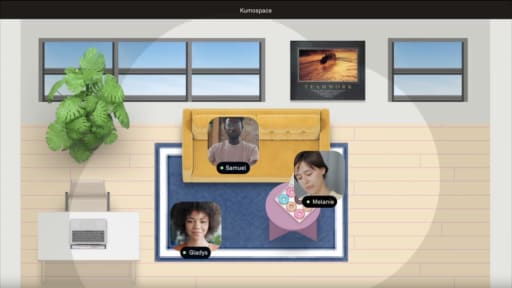
  • Find a quiet room or use a private Kumospace virtual office to signal you’re unavailable

The first two or three weeks of planning time may take longer as you build the habit. After that, you should settle into a predictable 30-minute routine that feels natural.

Step 2: Pick Your Planning Tools

Committing to a small set of tools matters more than finding the “perfect” system. Constantly switching between apps and methods wastes energy and breaks your planning momentum. Pick one platform or combination and stick with it for at least eight weeks.

Here are three concrete tool combinations that work well:

A digital calendar like Outlook or Google Calendar is ideal for time-bound events such as meetings, classes, appointments, and deadlines. These fixed commitments give structure to your week.

A task manager or simple to-do list, even a notebook page titled “Week of March 16–22, 2026,” works best for tasks and project steps. These items are more flexible and can move between days as needed.

Create a dedicated “Weekly Planning” view or template that shows your weekly calendar alongside a single page for priorities and tasks. Keeping everything in one place reduces friction when you sit down to plan.

Step 3: Reflect on the Previous Week

Reflection reduces the chance of repeating the same mistakes and gives you a more realistic sense of your actual capacity. Without looking back at last week, you’ll consistently overcommit and underdeliver.

Pull up your calendar from the previous week, for example, February 16–22, 2026, and scan each day for three to five minutes. Don’t just skim. Actually look at what happened.

Jot down three categories of observations:

  • Wins: What did you accomplish? (e.g., finished the Q1 report by Wednesday, kept all three workout sessions)
  • Frictions: Where did things break down? (e.g., back-to-back Zoom calls on Tuesday, late-night email checking)
  • Surprises: What unexpected demands appeared? (e.g., urgent client request on Thursday)

Look for one or two patterns. Maybe Mondays always feel overloaded because you schedule too many catch-up meetings. Maybe afternoons are better for focus work than mornings because your energy dips after lunch.

Remote teams can use a 15-minute weekly check-in in Kumospace to share these reflections quickly. When everyone surfaces what worked and what didn’t, the team can adjust expectations and improve together.

Step 4: Do a Mind Dump and Clarify Your Roles

Think of your brain as having limited “mental RAM.” Every unlisted task, half-formed commitment, and vague worry takes up processing power. Getting everything out of your head and onto paper reduces stress and frees up mental capacity for actual work.

Spend five to ten minutes writing down everything on your mind for the upcoming week:

  • Emails you need to send
  • Errands to run
  • Meetings to prepare for
  • Workouts or health appointments
  • Family commitments
  • Projects waiting for attention
  • Money matters like bills or budgeting

Title this list “Mind Dump, Week of [specific date range],” for example, “Mind Dump, Week of April 6–12, 2026.” Don’t organize it yet. Just get everything out in one uninterrupted list.

Now introduce the concept of life roles. Most people operate across several domains without realizing it: Team Lead, Individual Contributor, Parent, Partner, Friend, Health, Finances. Stephen Covey popularized this approach in his work on First Things First, and it remains a useful way to see where your attention is concentrated.

Quickly tag each item on your mind dump with a role. Write “(Work, Team Lead),” “(Health),” or “(Family)” next to each task. This helps you see at a glance whether you’re neglecting personal goals or overweighting one area of life.

Step 5: Set 3–5 Weekly Outcomes (Not Just Tasks)

There’s an important distinction between outcomes and tasks. Tasks are things to do. Outcomes are what will be true by Friday if you execute well. Focusing on outcomes keeps you oriented toward results rather than just staying busy.

Choose three to five concrete outcomes for the upcoming week, each tied to a role and a specific date:

  • “By Thursday, March 19, submit revised Q1 marketing plan to manager.” (Work)
  • “By Saturday, complete 3 strength workouts of at least 30 minutes each.” (Health)
  • “By Sunday, schedule dentist check-up for May.” (Personal)
  • “By Friday, have a 30-minute phone call with Mom.” (Family)

Check these weekly goals against your long-term goals and long-term vision. At least one or two outcomes should move bigger projects forward, not just handle urgent but small tasks.

Write these outcomes at the top of your weekly planning page. If you use Kumospace for team collaboration, pin them as a note at the top of your virtual office using the speech bubble object so colleagues can see your priorities.

Be realistic about scope. If last week felt overloaded, choose fewer but more impactful outcomes. It’s better to accomplish three most important tasks than to attempt seven and complete two.

Step 6: Time-Block Your Week Around “Big Rocks”

The “Big Rocks” metaphor comes from a classic productivity demonstration: if you fill a jar with sand first, the big rocks won’t fit. But if you place the big rocks first, the sand fills in around them. Your important tasks need to go into the calendar before the small tasks crowd them out.

Start by blocking non-negotiables, the events you cannot move:

  • Fixed meetings
  • Classes
  • Childcare pickups
  • Medical appointments
  • Commitments you’ve already made

Next, schedule 60–120 minute focus blocks for high-impact work tied to your weekly outcomes. For example, “Deep Work – Q1 plan draft” on Tuesday from 9–11 am. These blocks protect time for meaningful tasks that require concentration.

Create recurring blocks for core routines and consider color-coding your paper calendar or digital schedule. For example, one color for meetings, one for deep work, one for personal and family time, and one for breaks and self-care. This makes your week visually clear at a glance.

Step 7: Place Remaining Tasks and Protect Your Energy

With your Big Rocks scheduled, the remaining tasks should fill the gaps, without crowding every minute. A packed schedule with no breathing room is a recipe for stress and missed deadlines.

Review your mind dump and slot smaller tasks into specific days and approximate time windows:

  • “Call plumber – Wednesday between 1–2 pm”
  • “Reply to vendor email – Monday after lunch”
  • “Buy birthday gift for school friend – Thursday evening”

Leave white space. Aim for at least 60–90 minutes of unscheduled buffer time per day. This handles the unexpected urgent requests, distractions, or tasks that take longer than planned.

Use a simple priority system to decide what matters most each day:

Priority

Meaning

Action

A (Must)

Non-negotiable for this week

Schedule specific time

B (Should)

Important but flexible

Assign to a day, not a time

C (Could)

Nice to have

Do if time permits, otherwise move to next week

Mark each task accordingly. When you wake up Tuesday morning, you won’t waste energy deciding what to tackle; you’ll already know.

Consider energy management as well. If you’re sharpest in the mornings, that’s when to schedule demanding work. Save routine tasks like expense reports or organizing files for late afternoons when your focus naturally dips.

Step 8: Plan Communication and Collaboration (Especially for Remote Teams)

Weekly planning isn’t just about your tasks. If you work with others, alignment matters as much as personal productivity. A brilliant plan that conflicts with your team’s expectations creates friction for everyone.

If you work in a team, schedule a 15–30 minute start-of-week sync. Monday mornings work well because everyone is fresh and can coordinate before diving into individual work.

This sync can run efficiently in a Kumospace room:

  1. Everyone joins the virtual office
  2. Each person posts their top three priorities for the week
  3. The team quickly confirms handoffs, deadlines, and who’s blocking whom
  4. Everyone leaves with clarity on how their work connects to others’

Proactively identify where you’ll be blocked without input from colleagues. If you need feedback from your manager by Wednesday to hit a Thursday deadline, schedule that check-in early; don’t wait until you’re stuck.

Set clear “focus hours” and “meeting hours” and note them in shared calendars or your Kumospace status. This reduces interruptions and helps the team respect each other’s deep work time.

Step 9: Create a Simple Daily Check-In Ritual

Weekly planning only works if supported by short daily reviews. Without them, your carefully crafted week drifts off course by Tuesday afternoon.

Establish a five to ten minute evening routine:

  1. Review what you accomplished today
  2. Glance at tomorrow’s schedule
  3. Adjust tasks based on what actually happened
  4. Move anything incomplete to a realistic new slot

Each morning, choose one to three must-do tasks that connect directly to your weekly outcomes. Write them on a sticky note or place them at the top of your task list. These are your non-negotiables for the day.

If you use Kumospace, you can quickly review your weekly plan while checking into your virtual office. Update visible notes or task boards so your team can see your current status without having to ask.

Treat your weekly plan as a living document. Move tasks, renegotiate deadlines, and adjust time blocks when reality changes. Rigidly sticking to a plan that no longer fits can be just as counterproductive as having no plan at all.

Step 10: Make Weekly Planning a Habit

The first few weeks may feel awkward. You’ll forget steps, underestimate time, or schedule too many tasks. This is absolutely normal. Consistency compounds benefits; each week you plan, you get better at it.

Track your streak to build momentum:

  • Mark each completed “Weekly Review & Plan” session on a calendar
  • Aim for eight consecutive weeks before evaluating the process
  • Celebrate small wins along the way

After three or four weeks, refine your routine. Drop steps you never use and double down on what helps most. Some people thrive with detailed time-blocking; others prefer a simpler list of weekly goals. Find what works for your life.

Pair the planning ritual with a stable cue and reward to make it stick:

  • Cue: Sunday evening after dinner
  • Routine: 30-minute planning session
  • Reward: Your favorite tea and playlist, or a good time watching something you enjoy

Conclusion

The world will not slow down, and you will always have more tasks competing for attention than time to do them. But with a consistent weekly planning habit, you gain more control over how you spend your time and energy. You accomplish what matters instead of just reacting to what feels urgent.

Schedule your next planning session right now, whether that is Sunday evening or Friday afternoon. If you work with others, try doing part of it in Kumospace to keep the team aligned and the week calmer. The improvement builds week after week, and the success you want starts with those first few minutes of intentional planning.

Frequently Asked Questions

Transform the way your team works from anywhere.

A virtual office in Kumospace lets teams thrive together by doing their best work no matter where they are geographically.

Headshot for Sammi Cox
Sammi Cox

Sammi Cox is a content marketing manager with a background in SEO and a degree in Journalism from Cal State Long Beach. She’s passionate about creating content that connects and ranks. Based in San Diego, she loves hiking, beach days, and yoga.

Transform the way your team works.