Illustration of multiple hands assembling colorful puzzle pieces surrounded by icons of communication and evaluation.

The Norming Stage: When Your Team Finally Clicks Into High Performance

By Sammi Cox

The norming stage is the third phase in Bruce Tuckman’s model of group development and represents a critical turning point for any team. This is when team members learn to work together effectively, establish shared expectations, and begin producing consistent results. Unlike the tension-filled storming stage that precedes it, norming brings relief, stability, and a foundation for true high performance.

If your team has survived the conflicts and power struggles of storming, you are now entering the phase where collaboration becomes natural rather than forced. The forming stage introduced polite uncertainty, storming brought conflict and resistance, and norming is where your team begins building the trust and routines that make sustained success possible.

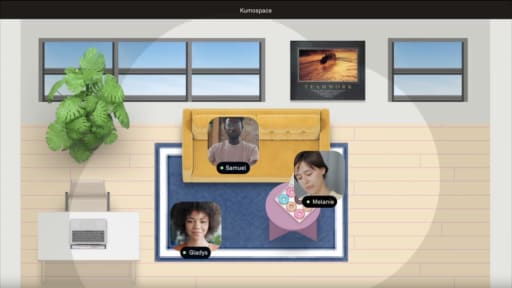
For remote and hybrid teams, reaching the norming stage faster is achievable when you invest in virtual office platforms like Kumospace, which create consistent routines and informal interactions that help group norms emerge organically, even when team members are scattered across time zones.

Recap of Tuckman’s stages and where norming fits

In 1965, psychologist Bruce W. Tuckman published a groundbreaking paper in the Psychological Bulletin that identified a developmental sequence every small group follows. His original model described four stages: Forming, Storming, Norming, and Performing. In 1977, Tuckman and Mary Ann Jensen added a fifth stage, Adjourning (sometimes called the mourning stage), to account for what happens when teams disband after completing their work.

Here’s how each stage functions in the team’s journey:

Forming is the first stage where teams form and individual members get acquainted. Everyone is polite, dependent on the group leader, and uncertain about roles and team expectations.

Storming is the second stage where the storming phase of group development emerges. This is when group members assert their individuality, challenge leadership, and experience conflict over goals, roles, and different working styles.

Norming is where the team starts to resolve those conflicts. Members begin agreeing on ground rules, clarifying team roles, and developing a shared group identity. Trust grows, and the group dynamic shifts from competition to collaboration.

Performing is the stage where high-performing teams operate autonomously, make decisions quickly, and consistently achieve project goals without constant oversight.

Adjourning is the final stage that occurs when teams complete their final tasks, reflect on the team’s progress, and members transition to future teams or new roles.

It is important to understand that teams do not always move through these stages of group development in a straight line. When a new team member joins, project goals shift dramatically, or tools change, such as transitioning to a virtual office platform like Kumospace, teams can slip back into storming before re-establishing their norms.

The norming stage serves as the bridge between conflict-heavy storming and autonomous high performance. This is why every team leader should pay close attention to this phase because what you establish here determines whether your current team will reach sustainable success or slide back into dysfunction.

Key characteristics of the norming stage

Norming is fundamentally about agreements, trust, routines, and shared identity. When a team begins entering this phase, the energy shifts from tense and uncertain to stable and collaborative. While it does not feel quite like “autopilot” the way the performing stage does, there is a noticeable sense that the team is finally working with each other rather than against each other.

Clearer roles and individual responsibilities. Team members know who owns what and understand how handoffs work. The confusion about “who does this?” that plagued earlier stages is replaced by clear ownership and accountability. People stop stepping on each other’s toes and start anticipating what their peers need.

Emerging group norms on communication. The team establishes default channels, response time expectations, and regular rituals like daily standups or weekly planning sessions. These agreements help teams communicate effectively without constant clarification about where and how to share information.

Growing trust and psychological safety. Group members feel comfortable admitting mistakes, asking for help, and offering honest perspectives. Receiving constructive feedback becomes normal rather than threatening. This psychological safety is essential for teams to take creative risks and solve complex problems.

Stronger commitment to shared goals. Individual agendas take a backseat to the team’s mission and objectives. People start saying “we” more than “I” and genuinely care about collective success over personal recognition.

Constructive handling of disagreements. When conflicts arise, they are approached as problems to solve rather than battles to win. Discussions focus on behaviors and outcomes, not personalities. This shift in conflict resolution style is one of the clearest indicators that your team has moved beyond storming.

Informal social bonds. Inside jokes emerge. People have regular coffee chats or casual conversations about life outside work. In remote settings, this might include using virtual “watercooler” spaces in tools like Kumospace to maintain connection and shared etiquette.

Consider a software product team in mid-2025 that has just navigated a rocky sprint where developers clashed with designers over feature priorities. After several difficult conversations, they have established a clear decision-making process for scope changes and now run smoother retrospectives with clearer backlog priorities. The tension has not disappeared entirely, but it is channeled into productive problem-solving rather than interpersonal conflict.

In fully remote settings, visual presence and “always-on rooms” in Kumospace can make these norms more visible and intuitive. When team members can see who is available, who is in deep focus mode, and who is open for a quick chat, the informal norms that develop naturally in physical offices become accessible to distributed teams.

From storming to norming: how the shift actually happens

Teams do not wake up one morning in the norming stage. The transition happens gradually as conflicts from the storming phase get resolved productively. Each resolved disagreement becomes the foundation for a new agreement, and those agreements eventually become the team norms that guide daily work.

Typical storming issues include role clashes, where two people think they own the same decision; unclear priorities, where everyone has different ideas about what matters most; tool overload, when the team uses multiple platforms and no one agrees on which to use for what; and cultural differences, where team members from different backgrounds have conflicting expectations about communication styles.

Resolving each of these issues creates a specific norm. Role clashes lead to responsibility maps. Priority conflicts lead to agreed-upon decision-making frameworks. Tool overload leads to standardized workflows. Cultural differences lead to explicit communication agreements.

Consider a marketing squad in Q2 2025 that spent weeks arguing over campaign ownership. The content lead, the paid media manager, and the brand strategist all believed they should have final say on creative direction. After a facilitated conversation with their team leader, they agreed on a RACI matrix that clarified who was responsible, accountable, consulted, and informed for each campaign type. They also created a shared calendar visible in their Kumospace project room. That single resolution moved them firmly into norming territory.

The emotional shift is equally important. Team members feel more relief, stability, and confidence. The “us vs. them” dynamics that characterized storming fade away. People stop dreading team meetings and start looking forward to collaborating with their colleagues.

Regression is normal and should be expected. When a new member joins, a deadline gets pulled in dramatically, or the team takes on a significantly different project type, you may briefly re-enter storming before re-norming. This is not failure; it is a natural part of small group development.

Leadership strategies to strengthen the norming stage

Leaders should not “coast” during the norming stage. This is precisely the time to deliberately solidify healthy patterns that will support the performing stage. The habits and systems you establish now will determine whether your team achieves significant progress or stalls out.

Make norms explicit. Write down agreements on communication, decision-making, and meeting cadence. What feels obvious to you may not be obvious to other team members, and unwritten rules create confusion. Document your team norms in a shared space that everyone can access and reference.

Clarify roles and decision rights. Use simple tools like RACI matrices or responsibility maps and share them in a central hub. If your team uses a virtual office space like Kumospace, pin these documents in your team’s main room so newcomers and existing members can always find them.

Reinforce psychological safety. Model vulnerability by admitting your own mistakes. Invite dissent by explicitly asking “What are we missing?” or “Who disagrees?” Debrief mistakes using blameless postmortems that focus on systems and processes rather than individual blame.

Standardize collaboration rituals. Establish daily standups, weekly planning sessions, retrospectives, 1:1 meetings, and informal drop-in sessions. These rituals create predictable touchpoints that help the team begin working in rhythm. In Kumospace, you might set up dedicated project rooms and a “war room” for live collaboration during intense periods.

Balance process and flexibility. Ensure norms are helpful guardrails, not rigid rules that block creativity or slow decision-making. The goal is to enable team success, not to create bureaucracy. Revisit your processes regularly and ask whether they are still serving the team’s needs.

Encourage team members to contribute to norm-setting. When group members help create the rules, they are more likely to follow them. Facilitate conversations about how the team wants to work together rather than imposing your preferences from above.

Monitor the team’s progress and adjust. Pay attention to signals that norms are not working. If people are consistently late to meetings, missing deadlines, or frustrated with processes, treat those as opportunities to refine rather than enforce.

Leader behavior in the norming stage strongly predicts whether the team will reach sustainable high performance or slide back into dysfunction. Your investment now pays dividends later.

Team member behaviors that help norming succeed

Norming is not just about what managers do. Every team member shapes and reinforces norms through their daily actions. The behaviors that individual members practice consistently determine whether the team’s norms become genuinely embedded or remain aspirational.

Proactive communication. Give status updates before people have to ask. Ask clarifying questions when something is unclear. Signal blockers early rather than waiting until they become crises. This transparency builds trust and helps teams learn from each other’s work.

Respecting agreed norms. Use the chosen tools consistently. Attend core meetings on time. Follow the decision-making rules the team has established. When you honor the agreements the group has made, you reinforce their importance for everyone.

Practicing constructive feedback. Focus on behaviors and outcomes rather than personalities. Use shared feedback frameworks that the team has agreed upon. When you offer constructive feedback, you help other team members improve without triggering defensiveness.

Supporting peers. Mentor new team members. Share knowledge generously. Step in during crunch periods even when it is not technically your responsibility. This peer support strengthens team relationships and builds the trust that high-performing teams require.

Holding each other accountable. Peer accountability, such as reminding each other of norms, revisiting agreements quarterly, and calling out when someone is drifting, keeps the team from slipping back into storming. This works best when it is done with care and assumes good intent.

For remote and hybrid teams, these behaviors require extra intentionality. Using presence indicators, virtual “desks,” and casual hangouts in Kumospace helps maintain connection and shared etiquette. When team interaction happens in a visible, spatial environment, it is easier to develop the informal norms that support collaboration.

How Kumospace can accelerate norming in remote and hybrid teams

Many remote teams get stuck in extended storming due to fragmented tools and weak social glue. When team members use five different platforms, struggle to read each other’s availability, and lack informal connection opportunities, conflicts simmer longer and norms take much longer to develop.

Persistent, named rooms for projects and teams. In Kumospace, you can create dedicated spaces like “Design Standup,” “Sales Handoff Room,” or “Quiet Focus Zone.” These rooms make workflows and norms visible. New team members can immediately see how the team organizes itself, and existing members have clear places to go for specific activities.

Spatial cues for norms. Where you “sit” in a virtual office signals availability and working mode. This helps informal norms emerge organically. If someone is in the Focus Zone, the team learns not to interrupt. If someone is in the Lounge, they are probably open for a chat. These visual signals reduce the ambiguity that plagues text-based remote communication.

Easy, low-friction drop-ins. Quick conflict resolution and ad hoc collaboration happen naturally when you can walk over to someone’s virtual desk instead of scheduling a meeting or starting a long, tense chat thread. Research suggests this can reduce miscommunication by up to 35 percent compared to traditional video calls.

Social spaces that foster trust. Virtual lounges and coffee areas enable the informal bonds that reinforce the emotional side of norming. When team members have regular opportunities to connect as humans, not just task-completers, they build a deeper understanding that supports high performance.

Tools alone do not create norms, but using a single, intuitive virtual office can make good norms easier to adopt and sustain, especially for teams that would otherwise struggle to develop the shared rhythms that norming requires.

Indicators your team is ready to move from norming to performing

High performance is not just “more busy.” There are recognizable signs that your team has moved beyond norming into the next stage of team development where autonomous excellence becomes the norm.

Consistent goal achievement without firefighting. The team meets or exceeds project timeline targets regularly. Problems get solved before they escalate to leadership. There is a steady rhythm of delivery rather than cycles of crisis and recovery.

Quick, appropriate decision-making. Decisions are made at the right level by the people closest to the work. Team members do not wait for leader approval on routine matters, and leaders do not need to intervene constantly to keep things moving.

Direct, fast conflict resolution. When disagreements arise, they are handled between the relevant parties quickly and professionally. There is no lingering resentment, no political maneuvering, and no need for external mediation on most issues.

Anticipatory coordination. Members start anticipating each other’s needs and coordinate work with minimal explicit instructions. The team develops an almost intuitive sense of who needs what and when, reducing the overhead of constant communication.

Smooth onboarding of new members. A new team member can join the team and contribute meaningfully within a short period. The team’s norms, documentation, and culture are strong enough to absorb newcomers without disrupting performance.

The contrast with norming is important. In the norming stage, the team still leans heavily on agreed processes and explicit rules. In the performing stage, teams reach a level where they flex those processes gracefully, knowing when to follow them strictly and when to adapt them to the situation.

Leaders should periodically review team health through quarterly pulse surveys, retrospective questions about team dynamics, and honest conversations about what is working and what is not. This prevents complacency and ensures the team continues developing rather than stagnating.

Common pitfalls that can derail the norming stage

Norms can either support performance or entrench bad habits. The norming stage brings stability, but that stability can work against you if the norms themselves are problematic.

Unspoken or unclear norms that differ by sub-group. When different parts of the team operate under different assumptions, confusion and resentment build. The engineering team thinks decisions happen in Slack, and the design team thinks they happen in meetings. These invisible conflicts can trap teams in extended storming without anyone realizing why.

Overly rigid processes that stifle initiative. Too much structure kills creativity and slows decision-making. If your team needs three approval meetings to change a button color, you have over-normed. The goal is to enable team performance, not create bureaucratic obstacles.

Tolerance of low performance or toxic behaviors. Sometimes teams develop norms around avoiding conflict so completely that they refuse to address real problems. “We’re like a family” language can mask situations where underperformance or toxic behaviors are allowed to continue unchecked.

Over-dependence on the leader. If every decision still flows through the team leader, the team has not truly normed; they have just learned to defer to authority. True norming involves shared ownership where the group leader becomes a facilitator rather than a bottleneck.

Consider a team that established a norm of “no meetings after 3 p.m.” to protect focus time. At first, everyone followed it. Then one person scheduled a 3:30 call “just this once.” Then another. Within months, the norm existed on paper but not in practice. This inconsistency eroded trust—if that norm does not matter, which others can be ignored?

Corrective actions include “norms reset” workshops where the team revisits agreements, rewriting the team charter to reflect current reality, or redesigning Kumospace layouts to match new collaboration patterns. The key is catching these issues early before they become entrenched.

Norming in context: adjourning, re-norming, and long-term team health

Norming is not a one-time event. Teams often have to re-norm when membership, strategy, or tools change significantly. Understanding this reality helps teams stay healthy over time rather than assuming that once norms are set, they are permanent.

Tuckman and Jensen’s adjourning stage, added in 1977, addresses what happens when a team disbands after completing major work. At the end of a 2025 product launch cycle, for example, team members scatter to future teams, carrying lessons and habits from their experience. Some norms transfer, and others do not fit the new context. This is the fifth stage that completes the forming, storming, norming, performing, adjourning cycle.

Later refinements to the model introduced concepts like “re-norming,” the recognition that teams follow developmental stages multiple times throughout their lifespan. When new leadership arrives, organizational mergers happen, or teams move into new environments like a virtual office, they often need to revisit and rebuild their norms.

Treat norming as an ongoing practice rather than a one-time achievement. Review and update norms at predictable intervals, every three to six months, rather than waiting for crises. Ask questions like, “What norms are working well? What is causing friction? What have we outgrown?”

Teams that maintain this discipline of regular reflection and adjustment are more likely to sustain high performance over time. They avoid the trap of letting outdated norms accumulate until a crisis forces change.

Conclusion

The norming stage is where strong relationships form, team expectations become clear, and the foundation for team success is established. Skip it or rush through it, and your team will struggle to reach sustained high performance. Invest in it intentionally, and you create the conditions for your team to finally click.

For remote and hybrid teams, platforms like Kumospace can accelerate this process by making norms visible, enabling informal connection, and creating the spatial cues that help distributed groups develop shared rhythms naturally.

Start by documenting your team’s current norms this week. Identify what is working, what is unclear, and what needs to be renegotiated. Whether you are a team leader guiding the process or a team member contributing to it, your intentional effort during the norming stage is the most reliable way to help your team reach true high performance.

Frequently Asked Questions

Transform the way your team works from anywhere.

A virtual office in Kumospace lets teams thrive together by doing their best work no matter where they are geographically.

Headshot for Sammi Cox
Sammi Cox

Sammi Cox is a content marketing manager with a background in SEO and a degree in Journalism from Cal State Long Beach. She’s passionate about creating content that connects and ranks. Based in San Diego, she loves hiking, beach days, and yoga.

Transform the way your team works.