Every person gets the same 24 hours each day. The difference between those who feel constantly overwhelmed and those who accomplish their goals comes down to one skill: time management. As of February 2026, managing your time effectively is more critical than ever with hybrid teams, constant notifications, and back-to-back video meetings shaping how we work.
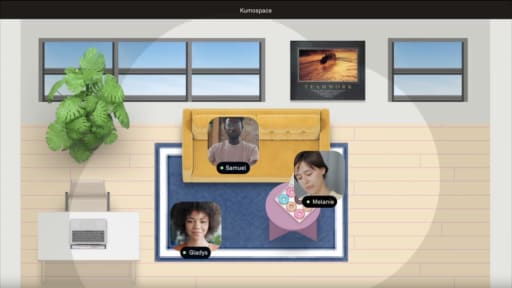
The benefits of proper time management are immediate and tangible, including less stress, more control over your day, and better results in both remote and in-office settings. Tools like Kumospace have emerged to help distributed teams coordinate across time zones, structure meetings, and protect focus time in virtual workspaces.
This article explains why time management is important, the essential skills you need, and practical techniques you can start using this week.
What Is Time Management?
Time management is the process of planning, prioritizing, and protecting your hours so you can complete meaningful work on time. It involves structuring your day around clear goals, estimating how long tasks take, scheduling dedicated blocks for specific activities, and saying “no” to low-value tasks.
Here’s what time management looks like in practice:
- A college student blocking out study sessions for midterms in March
- A project manager scheduling milestones for a product launch
- A parent coordinating school pickups with work deadlines
- A remote team using shared calendars to avoid meeting overlap
For individuals, time management might mean maintaining a personal to-do list and protecting morning hours for deep work. For teams, it often involves shared calendars, project boards, and virtual offices like Kumospace where colleagues can coordinate schedules and reduce unnecessary meeting conflicts.
The key insight is that effective time management is a skill that can be learned and improved; it is not a personality trait you either have or do not.
Why Is Time Management Important?
Time is finite and non-renewable. Unlike money, you cannot earn more of it. How you manage your time directly shapes your results, physical and mental health, and relationships.
Good time management helps eliminate procrastination, avoid missed deadlines, and prevent last-minute chaos. Research consistently links time management training to lower perceived stress and higher performance in both academic and professional settings.
In modern workplaces with global teams, time management also means coordinating across time zones. Platforms like Kumospace help distributed teams structure their days, signal availability, and prevent meeting fatigue from constant ad-hoc calls.
Allows High Productivity
Productivity isn’t about being busy; it’s about completing important tasks with quality. Anyone can fill eight hours with activity. The question is whether those hours move you toward your goals.
Consider these scenarios:
|
Without Time Management |
With Time Management |
|
Working on three reports simultaneously, finishing none by Friday |
Completing all three reports by 4 PM Friday using time blocks |
|
Pulling all-nighters before every deadline |
Finishing assignments steadily throughout the semester |
|
Constant context-switching between tasks |
Batching similar tasks for increased productivity |
Promotes Effective Decision-Making
Rushing decisions, whether approving a contract, choosing a college major, or prioritizing quarterly initiatives, often leads to costly mistakes. Good time management creates space for thoughtful choices.
Scheduling dedicated “thinking time” in your calendar improves decision quality. A manager who plans 30 minutes each Monday to prioritize the week’s tasks makes better choices than one who reacts to every incoming email.
When you are constantly rushing, every decision feels urgent. Time management reveals which decisions actually deserve your attention. Meeting-free blocks and quiet zones in tools like Kumospace help preserve decision-making time. By protecting space for reflection, you can gather data, weigh options, and consult colleagues instead of making impulsive choices under pressure.
Increases Work-Life Balance
Work life balance means having enough time and energy for your career, health, relationships, and personal interests. Without intentional planning, work tends to expand and consume everything else.
Concrete examples of better work life balance through time management:
- Finishing work by 6 PM most weekdays to attend a child’s sports practice
- Protecting weekend mornings for exercise or hobbies
- Taking actual vacations without checking email constantly
- Having energy for social engagements after work hours
Realistic planning helps avoid bringing work into late nights and holidays unnecessarily. Clear boundaries, through calendars, status indicators, and “Do Not Disturb” modes in virtual spaces like Kumospace, support balance without constant negotiation. When you achieve better work-life balance, you perform better at work because rest and personal life are prerequisites for sustained mental well-being.
Improves Self-Discipline
Self-discipline is the ability to stick to your plan despite distractions like social media notifications, non-urgent requests, or the temptation to check email one more time.
Regularly following a schedule builds discipline over weeks and months. The process is cumulative:
- Day 1-7: Starting deep work at 9:30 AM feels difficult
- Day 8-21: The routine becomes more automatic
- Day 22+: Missing your focus block feels wrong
A specific habit example is checking email only at 10:00, 14:00, and 16:30 instead of continuously. This single change can reclaim hours of productive work each week.
Self-discipline is reinforced by environmental cues. Joining a quiet focus room in Kumospace during important tasks creates accountability and reduces interruptions. Start with small commitments, perhaps 25 minutes of focused work, and gradually extend your capacity.
Decreases Stress and Burnout
Poor time management creates a predictable stress cycle: scrambling before deadlines, apologizing for lateness, redoing rushed work, and never feeling caught up. Over time, this leads to burnout.
Signs of time-management-related burnout include:
- Exhaustion by mid-afternoon
- Irritability with colleagues and family
- Difficulty concentrating on routine tasks
- Feeling overwhelmed even by small requests
- Negative impact on sleep quality
Planning reduces stress by spreading workload over time. Starting a big presentation two weeks before delivery rather than the night before transforms the experience from panicked to confident.
Scheduling recovery time also matters, including short breaks during the day, lunch away from the screen, and no-meeting blocks on certain afternoons.
Consequences of Poor Time Management
Everyone struggles with time occasionally. A missed deadline or rushed project can happen, but persistent poor time management compounds into serious consequences.
Professional consequences:
- Missed deadlines damaging your reputation
- Client churn from late deliverables
- Stalled career progression
- Lost job opportunities
Personal consequences:
- Strained relationships from repeated lateness
- Chronic stress affecting physical and mental health
- No time for hobbies or personal life
- Persistent feeling of being behind
Team consequences:
- Overlapping meetings and confusion
- Uneven workload distribution
- Reduced creativity and innovation
- Lower morale and higher turnover
Multitasking, unclear priorities, and unmanaged distractions compound over weeks. The solution is not working longer hours. It is building the skills and systems that prevent these problems in the first place.
Core Time Management Skills
Effective time management rests on a foundation of learnable abilities. These essential time management skills apply whether you work alone, in a small business, or across a distributed team.
Prioritization
Prioritizing tasks means distinguishing between urgent and important, which are two categories that often don’t overlap.
Daily prioritization might look like choosing your top three tasks based on impact each morning before checking email. When you know what matters most, you can stay focused instead of scattering energy across low-impact work.
Planning and Scheduling
Planning turns abstract goals into concrete calendar blocks. If you want to finish a research paper by May 15, you need scheduled time for research, drafting, revision, and buffer.
Effective weekly planning involves:
- Reviewing all commitments each Sunday evening or Monday morning
- Blocking time for daily tasks and larger projects
- Building in buffer for unexpected issues
- Protecting time for regular breaks and personal activities
Realistic time estimates should account for context switching, meetings, and energy levels throughout the day. Most people underestimate how long tasks take. Recurring events such as stand-ups, one-on-ones, and deep-work blocks can be structured on Google Calendar and coordinated through virtual offices like Kumospace. Color-coding work, learning, and personal time creates visual clarity about where your hours actually go.
Delegation and Collaboration
Effective time management often requires not doing everything yourself. This is especially true in leadership roles where your time spent on low-level tasks prevents high-value work.
Examples of effective delegation:
- Assigning data gathering to an analyst while you focus on strategy
- Delegating part of a group project to classmates with clear deadlines
- Having an assistant handle scheduling while you prepare for meetings
The key is clarifying responsibilities, due dates, and check-in points to avoid last-minute confusion. Collaboration platforms and virtual spaces like Kumospace make it easier to delegate tasks and keep quick conversations from consuming entire afternoons. Good delegation frees time for high-value work such as strategy, creativity, relationship-building, or learning new skills that advance your career.
Popular Time Management Techniques
Many frameworks exist for managing time. The best approach is experimenting to find what fits your personality, work style, and responsibilities. Techniques can be combined; for example, using time blocking with the Pomodoro technique inside scheduled focus blocks.
Pomodoro Technique
The Pomodoro technique involves working in 25-minute focused intervals followed by 5-minute breaks. After four rounds, you take a longer break of 15-30 minutes.
How to use it:
- Choose a specific task
- Set a timer for 25 minutes
- Work without interruption until the timer rings
- Take a 5-minute break
- Repeat; after four cycles, take a longer break
Example: Using four Pomodoros to draft a report on Tuesday morning between 9:00 and 11:00 with three short breaks built in.
This technique combats procrastination by making tasks feel less overwhelming. You are not committing to hours of work, just 25 minutes. It also minimizes distractions by creating clear boundaries around focus time. In Kumospace, you can mark your status as “Heads-down” during Pomodoros to signal no interruptions. Session lengths can be adjusted, for example 50 minutes of work followed by a 10-minute break, for tasks requiring deeper immersion.
Time Blocking
Time blocking assigns specific chunks of your day to categories such as deep work, meetings, administrative tasks, and personal time. Rather than maintaining an endless to-do list, you decide when each type of work happens.
Time blocking eliminates decision fatigue about what to do next because you have already decided. It also creates visibility, allowing colleagues who see your calendar to know when you are available.
Teams can coordinate blocks using shared calendars and virtual office layouts in Kumospace. When everyone’s focus time is visible, collaboration can be scheduled during appropriate windows rather than interrupting deep work. Review and adjust your blocks weekly based on what actually happened.
“Eat the Frog” Method
This time management method involves doing your hardest, most important tasks first thing in the day, before checking messages, attending meetings, or any other activities.
The logic is simple: willpower and focus are highest in the morning for most people. Tackling your “frog” first makes the rest of the day feel easier and reduces the background anxiety of knowing something difficult awaits.
Identify your “frog” each evening for the next day. When you arrive at work, start immediately without checking email, engaging in coffee chats, or doing any “just one quick thing” first.
Eisenhower Matrix
The Eisenhower Matrix categorizes tasks into four quadrants based on urgency and importance:
|
Urgent |
Not Urgent |
|
|
Important |
Do immediately (client deadline today) |
Schedule time (course finishing in June) |
|
Not Important |
Delegate or batch (most emails) |
Eliminate (unnecessary meetings) |
This framework helps you work smarter by focusing energy on what actually matters. Many people spend most of their time on urgent-but-unimportant tasks, mistaking busyness for progress.
Create a quick sketch of the matrix at the start of a busy week.
Practical Tips to Improve Your Time Management
These time management tips are actionable habits you can start this week. Pick two or three, not all at once, and commit to trying them for 14 days before adding more.
Start with a Time Audit
Before changing anything, understand where your time currently goes. Track how you spend every 30-60 minutes for 2-3 typical workdays or a full week.
Categorize your time into buckets:
- Deep work on important tasks
- Meetings
- Email and messaging
- Administrative tasks
- Social media and browsing
- Commuting
- Personal and family time
Look for hidden time drains, such as unplanned chats that stretch to 45 minutes, excessive context switching between projects, or the hour that disappears while scrolling during lunch.
Set SMART Goals and Milestones
SMART goals are Specific, Measurable, Achievable, Relevant, and Time bound. Vague intentions like “work on the project” become concrete targets like “finish a 30-page thesis chapter by March 31.”
Breaking a big goal into milestones:
|
Week |
Milestone |
|
Week 1 |
Complete research and outline |
|
Week 2 |
Draft pages 1-10 |
|
Week 3 |
Draft pages 11-20 |
|
Week 4 |
Draft pages 21-30 and revise |
Add these milestones to your calendar with reminders. Link your daily tasks to weekly milestones to maintain alignment between individual tasks and larger objectives.
Teams can review shared SMART goals in regular check-ins, potentially hosted in Kumospace, to ensure everyone understands priorities and deadlines.
Protect Focus Time and Limit Multitasking
Multitasking, such as checking email during meetings or switching between projects every 15 minutes, increases errors and slows progress. Research shows it can take several minutes to fully re-engage after each interruption.
How to protect focus time:
- Schedule at least one uninterrupted block per day (60-120 minutes)
- Silence notifications during focus blocks
- Close unused browser tabs
- Indicate “busy” status in tools like Kumospace
- Work on one task at a time during focus periods
After your focus block ends, batch process messages and handle administrative items. This approach lets you manage your time effectively while still remaining responsive to colleagues.
Small distractions carry hidden costs. A “quick” Slack check can cost 15 minutes of refocusing.
Use the Right Tools and Environments
The right tools simplify time management, while the wrong ones add complexity and become distractions themselves.
Categories of helpful tools:
- Digital calendars: Google Calendar or Outlook for scheduling and visibility
- Task managers: Kanban apps or simple to do list tools for tracking work
- Time trackers: Apps that show where hours actually go
- Virtual workspaces: Platforms like Kumospace where teams co-work, hold stand-ups, and visually signal availability
Start with one or two tools and build from there. Customize notifications and layouts so tools support your preferred routines rather than interrupting them.
Periodically clean up your systems. Remove unused apps, archive old projects, and simplify dashboards. Lightweight tools serve you, while bloated ones become another source of overwhelm.
Conclusion
Time management is an ongoing practice that improves with consistent effort. Start small: conduct a time audit, pick one technique like Pomodoro or time blocking, schedule your week, and reflect on what works. These steps compound into more predictable days, higher productivity, and guilt-free personal time. Shared digital environments like Kumospace make team coordination easier by making schedules, availability, and focus time visible. Take action today by blocking a 90-minute focus session, planning tomorrow’s tasks, or identifying your most important task for the morning, and use your 24 hours intentionally to make meaningful progress.
Frequently Asked Questions
Time management is the process of planning, prioritizing, and protecting your hours to complete meaningful work efficiently.
It reduces stress, improves productivity, and ensures work-life balance while helping you meet deadlines consistently.
Popular techniques include Pomodoro, time blocking, the Eisenhower Matrix, and the “Eat the Frog” method.
Schedule uninterrupted blocks, silence notifications, close unused tabs, and signal busy status in tools like Kumospace.
Yes, calendars, task managers, time trackers, and virtual workspaces like Kumospace make planning, coordination, and focus easier.