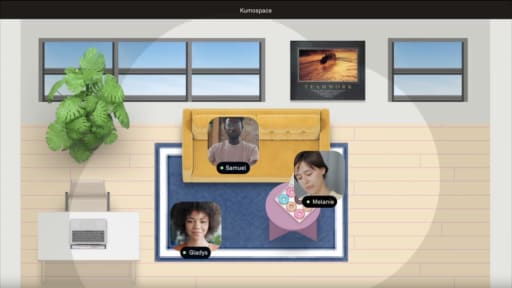
The term business hours refers to the specific times when customers can expect a company to be staffed, responsive, and operational. For instance, a New York law firm might operate from 9:00 AM to 6:00 PM ET, while a London retail shop keeps doors open 10:00 AM to 7:00 PM GMT. Today, many companies mix on-site, hybrid, and remote work, making clearly defined hours more important than ever. This guide covers definitions, typical patterns in Western countries and abroad, non-traditional schedules, time zones, and how to use modern tools, including Kumospace, to manage your hours effectively.
Key Takeaways
- Business hours define when a company is open and staffed to serve customers, typically Monday to Friday, 9:00 AM to 5:00 PM or 8:00 AM to 6:00 PM, though norms vary by country and industry.
- 48 business hours usually equals 2 business days, excluding weekends and public holidays, but modern technology and a 24/7 economy have expanded availability beyond traditional schedules.
- Clearly published operating hours improve customer satisfaction, staffing plans, and legal clarity, and tools like Kumospace help teams coordinate coverage across time zones.
What Are Business Hours?
Business hours are the regularly scheduled times when a company is officially available to serve customers, answer support requests, and conduct day-to-day business operations. Different departments within the same organization can have distinct hours depending on workload and customer demand.
Practical examples:
- A SaaS helpdesk team offering service from 7:00 AM–9:00 PM CT
- A local dentist’s office open 8:30 AM–4:30 PM Monday–Thursday
- A logistics warehouse running 6:00 AM–2:00 PM shifts
Business hours also appear in contracts and service-level agreements (SLAs), defining response times during normal business hours. Failure to specify this window can create legal ambiguity. For remote or distributed teams, hours may be defined in UTC or a specific headquarters time zone to avoid confusion.
Normal Business Hours: Typical Patterns Around the World

Standard business hours historically mean 8:00 AM to 6:00 PM or 9:00 AM to 5:00 PM, Monday to Friday, excluding public holidays, but this is only a broad guideline shaped by local regulations and industry norms.
Regular business hours can shift seasonally. Tourist areas extend hours June to August, and retail stores lengthen them during December holiday shopping. Professional services like law firms and accounting firms align with the standard 40-hour workweek, while hospitality and healthcare rarely follow a strict 9 to 5 pattern.
Always double check hours on the company website, social media, or Google Business listing, especially around holidays like Christmas, New Year’s Day, or local national observances.
Non-Traditional and Extended Business Hours
Many businesses operate beyond traditional hours to match customer expectations and global markets. Extended business hours examples include:
- Big-box grocery stores in urban areas open 6:00 AM–11:00 PM or 24 hours a day
- Gyms offering 24/7 access via keycard or app
- Contact centers running 24/7/365 for financial services or healthcare
Non-traditional patterns include:
- Split shifts (7:00 AM–11:00 AM and 4:00 PM–8:00 PM) for restaurants or delivery workers
- “Late night shopping” days once or twice a week in European city centers
- Rotating weekend hours where branches alternate open Saturdays
Regulatory constraints matter. Sunday trading restrictions exist in parts of Europe, and U.S. labor laws under the Fair Labor Standards Act (FLSA) require overtime pay at 1.5x for non-exempt employees exceeding 40 hours per week.
Smartphones, cloud software, and collaboration tools like Kumospace have blurred boundaries, enabling teams to communicate and collaborate in a virtual office even outside strict hours. However, businesses should set boundaries to prevent employee burnout.
Business Days, Business Hours, and Practical Calculations
A business day typically means Monday to Friday, excluding public holidays. Business hours refer to the portion of each business day when operations occur, usually eight hours.
Key calculation: 48 business hours usually equals 2 business days assuming an 8-hour per day, 5-day week. However, in legal or financial contexts, “within 48 hours” may mean calendar hours, so wording in contracts matters.
Practical examples:
- A support ticket submitted at 3:00 PM Thursday with an 8-business-hour SLA (9:00 AM–5:00 PM support) has a response deadline of 3:00 PM Friday.
- A bank requesting “5 business days” to process an international transfer submitted Friday, January 8, with a Monday holiday on January 11, may complete by Monday, January 18.
Understanding this difference matters for shipping estimates, payment clearing times, contract deadlines, and customer support SLAs. Companies should document their definition of “business day” clearly in contracts, invoices, and support policies.
Business Hours in the United States
While the U.S. is often associated with “9 to 5,” actual hours vary by industry, region, and company culture.
|
Sector |
Typical Hours |
|
Corporate offices |
8:00 AM–5:00 PM or 9:00 AM–6:00 PM, Mon–Fri |
|
Retail stores |
10:00 AM–9:00 PM, shorter Sunday hours |
|
Banks |
9:00 AM–4:00 or 5:00 PM, limited Saturdays |
|
Government offices |
8:00 AM–4:30 PM weekdays |
Industries with non-standard hours include hospitals (staffed 24/7), restaurants and bars (may stay open until 1:00–2:00 AM), and tech startups that list “core hours” like 10:00 AM–3:00 PM with flexible schedules.
U.S. federal holidays often mean closures or reduced hours. State holidays can also affect operations depending on location.
Why Business Hours Matter for Customers and Teams

Clearly set business hours help both customers and employees know when to expect service and when responses are reasonably expected.
Customer-side benefits:
- Customers know when to call, visit, or start a live chat
- Transparent hours reduce frustration and negative reviews from unanswered inquiries
Internal benefits:
- Managers can plan staffing, shifts, and on-call rotations effectively
- Finance and HR can track overtime and compliance more easily
- Teams can protect focus time by setting “quiet hours”
Practical policies include:
- Publishing support hours on websites, email signatures, and automated systems
- Using out-of-office replies stating: “Our normal business hours are 8:30 AM–5:30 PM ET, Monday–Friday. We’ll respond on the next business day.”
Virtual office platforms like Kumospace can visually indicate who is “in the office” during business hours, helping distributed teams coordinate meetings without constant messaging.
Managing Business Hours in a 24/7, Multi-Time-Zone World
Global clients expect fast responses even outside traditional local hours. Common coverage strategies include:
- Follow-the-sun support: Teams in North America, Europe, and Asia-Pacific hand off work
- Extended shifts: Central team works 7:00 AM–10:00 PM to cover more time zones
- Self-service resources: Knowledge bases and FAQs handle nights and weekends
For example, a New York company serving London and Singapore customers may keep core hours 8:00 AM to 8:00 PM ET, covering part of both European and Asian workdays. A fully remote team might standardize on UTC to avoid confusion.
Tools that help include calendar systems that automatically convert meeting times across regions and virtual offices like Kumospace where global team members can see who is active during their local hours.
Always publish time zone information explicitly, for example “Support hours: 9:00 AM to 5:00 PM Central European Time (CET), Monday to Friday,” rather than just “9 to 5.”
How Technology and Customer Service Software Support Business Hours
As customers expect faster responses, companies rely on customer service software, automation, and virtual collaboration tools to manage demand without always increasing headcount.
Core platform capabilities:
- Unified inbox consolidating email, chat, social media, and phone logs
- Ticketing systems that time-stamp inquiries and track SLA timers using defined hours
- Self-service knowledge bases and community forums accessible 24/7
Some platforms allow configuration of specific hours for different queues, such as billing vs. technical support. Automated responders inform customers when they contact support outside those hours.
By combining such platforms with a virtual workspace like Kumospace, teams ensure that when their status shows them in the office, they are synchronized with published business hours and ready to handle live interactions or internal collaboration with clients.
Conclusion
Business hours remain a foundational part of how organizations operate, even as work becomes more flexible and globally distributed. Clear definitions of when your business is open and responsive help set expectations for customers, support accurate planning, and reduce confusion across teams and time zones.
As companies expand beyond traditional schedules, the key is not just offering broader coverage but communicating it effectively. Document your hours, specify time zones, and align internal workflows with what you promise externally.
With the right mix of tools, automation, and shared visibility through platforms like Kumospace, teams can stay coordinated and responsive without losing structure. When business hours are clearly defined and consistently applied, they become a strategic advantage for delivering reliable service and building trust.
Frequently Asked Questions
A business day is typically Monday through Friday, excluding public holidays, though it can vary by contract, sector, or country.
Weekends are usually not business days in Western countries, but some industries treat them as working days while still defining them differently in contracts.
Use clear language such as “Business hours are 9:00 AM to 5:00 PM Eastern Time, Monday to Friday, excluding U.S. federal holidays” to avoid disputes.
Yes, employees may have flexible schedules, but customer-facing availability should still be clearly defined.
You can use staggered shifts, clear hours, self-service tools, and platforms like Kumospace along with automated responses to manage expectations.