This section covers concrete, day-to-day team leader responsibilities rather than abstract traits. The examples reflect 2026 realities: AI-assisted tools, remote collaboration, and cross-functional work. While responsibilities vary by sector, most team leaders will recognize these duties in some form.
1. Guiding Daily Operations and Workflow
A team leader’s primary operational responsibility is organizing daily work: determining what the team will work on, in what order, and against which timeline. This means configuring project management tools like Jira, Asana, or Trello with clear workflow stages, assigning tasks with due dates, and running regular updates.
Consider a customer support team leader planning for Monday after a long holiday weekend. Ticket volume typically spikes 30-40%. A month before, they review historical data, consult with the team about availability, and create a coverage plan: increasing the morning shift by two people, queuing up FAQ updates, and pre-training the team on common post-holiday issues. On the day itself, they monitor queue depth and first-response time throughout the shift.
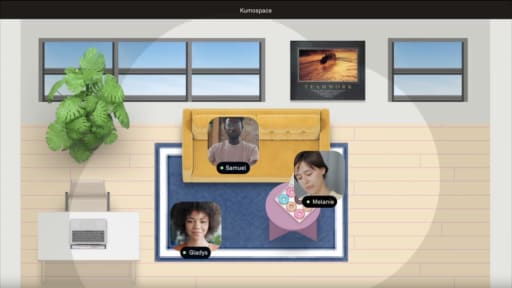
In remote setups, leaders can use virtual floors in platforms like Kumospace to coordinate work. A main area where team members “sit,” private coaching rooms for 1:1s, and a “Queue Monitoring” space showing real-time metrics, all help teams know where to find each other.
Key operational tasks include:
- Scheduling and shift planning
- Task prioritization and assignment
- Monitoring SLAs and removing blockers
- Running daily stand-ups or syncs
2. Leading and Motivating the Team
Team members are motivated when they understand how their work contributes to something larger, feel trusted to make decisions, have growth opportunities, and feel genuinely valued. Bonuses matter, but consistent recognition often matters more for retention.
Effective practices include weekly “wins” roundups where team members share accomplishments, shout-outs during team meetings, and one-on-one acknowledgments. Recognition should be specific, timely, and authentic, not obligatory or perfunctory.
Team leaders establish culture through rituals. If a leader runs a retrospective with genuine openness about their own mistakes, that signals psychological safety. A Friday informal coffee chat in a virtual lounge, where the leader drops in to hear what people did over the week, becomes a micro-ritual maintaining connection across distance.
Inclusive leadership means being intentional about multiple pathways for people to participate. An announcement made verbally might be missed by remote workers; send a written summary too. Evening celebrations exclude people with caregiving responsibilities, but offer alternatives.
3. Managing Performance and Setting Goals
Team leaders translate organizational OKRs into measurable individual goals. When a department wants to reduce customer ticket volume by 15% through improved self-service, the leader breaks this into specific tasks: one person implements a new FAQ system, another improves chatbot accuracy, and another designs customer training materials.
Performance management rhythms in 2026 are continuous. Most teams operate with:
- Monthly 1:1s discussing progress and development
- Quarterly reviews against goals
- Mid-sprint check-ins in agile environments
Example metrics vary by function. In customer support: average response time, first-call resolution rate, and CSAT scores (target 4.5/5). In sales: pipeline value, win rate, and quota attainment. In engineering: sprint velocity, defect rates, and on-time delivery.
Virtual 1:1s can feel impersonal on generic video calls. Some teams use private “offices” or breakout spaces in tools like Kumospace, creating a dedicated, quiet space that feels personal and confidential.
4. Coaching, Feedback, and Skill Development
Coaching is an ongoing conversation aimed at building capability, not just correcting mistakes. A team leader who only corrects creates a punitive dynamic. One who coaches builds capability and trust.
In sales or support, a common practice is reviewing recorded calls. In 2026, AI-assisted transcription makes this faster. A leader might listen to a call in which a team member missed a cross-sell opportunity, then role-play improvements during a Friday coaching session.
Effective feedback follows a framework: specific, timely, focused on behavior and impact, and forward-looking. Here’s an example:
“In today’s client call, you interrupted the client three times when they were explaining their needs. That made them defensive. Next call, I want you to use active listening, let the client finish, then ask clarifying questions. Want to role-play that approach?”
Team leaders identify skill gaps in data literacy, AI usage, and customer empathy, and propose concrete training options.
5. Fostering Communication and Collaboration
Team leaders design how information flows. Different types of information need different channels of communication: strategic updates in monthly all-hands meetings, daily operational updates in stand-ups or dashboards, quick coordination in Slack, and personal feedback always in 1:1s.
A concrete communication schedule might include:
- Daily 15-minute stand-up at 9:30 AM
- Weekly planning meeting on Monday mornings
- Bi-weekly 1:1s with each team member
- Monthly retrospective
Communication norms a team leader might adopt:
- Use Asana for work requests and status updates
- Use Slack for quick questions (not complex decisions)
- Document important decisions in shared docs
- Keep virtual office hours 2-3 PM daily for drop-in questions
- Respect async-first communication for global teammates
Leaders can combat isolation by keeping an “always open” virtual room where teammates can drop in for quick questions. This reduces the friction of scheduling calls for two-minute conversations.
6. Resolving Conflict and Protecting Team Wellbeing
Conflict is inevitable in diverse teams. Disagreements arise over priorities, workload, communication style, and resource access. Across cultures and time zones, misunderstandings compound these tensions.
A simple conflict resolution process:
- Understand each party’s perspective separately
- Distinguish facts from interpretations
- Bring parties together with facilitation
- Identify the actual underlying issue
- Generate solutions together
- Agree on next steps and follow up
Example: A senior engineer and product marketer clash over a release timeline. The marketer wants to announce the deadline for a campaign next week. The engineer says rushing introduces bugs. The team leader meets each separately, then brings them together. Solution: launch a beta version to a small customer segment next week, and full launch the following week. Both feel heard.

People often confuse these titles, creating misaligned expectations. A person promoted to “team leader”, expecting manager authority, gets frustrated. A project manager brought in to lead people discovers that project delivery differs from people development. Clarity matters.
Team Leader vs. Manager
Managers typically control budgets, hiring, and strategy. Team leaders focus on executing that strategy with their specific team. In a 50-person support department, a Support Manager owns headcount, vendor contracts, and strategic initiatives. Three Team Leaders handle shifts, coaching team members, and quality for their sub-teams.
Team leaders may recommend promotions or corrective action, but managers usually make final HR decisions. The manager’s time horizon extends to quarters and years; the team leader focuses on weeks and months. In many organizations, succeeding as a team leader is the primary path into formal management roles.
Team Leader vs. Project Manager
Project managers own the delivery of specific projects with clear start and end dates, often coordinating across multiple teams. Team leaders own a stable group of people over time, caring about their long-term development and cohesion.
Key contrasts:
- Scope: PMs own project outcomes; team leaders own team performance
- Relationships: PMs coordinate across teams; team leaders develop individual team members
- Time frame: PMs work toward project completion; team leaders build ongoing capability
- Metrics: PMs track project goals and milestones; team leaders track engagement and development
In smaller companies, one person may wear multiple hats, balancing project delivery with people development.

The team leader role is a common first step into leadership, often reached after a few years as an individual contributor.
Steps to Becoming a Team Leader
Actions aspiring leaders can take:
- Mentor new employees to demonstrate investment in others
- Lead small projects, showing coordination ability
- Facilitate team meetings, demonstrating communication skills
- Document processes showing systems thinking
- Take a professional development course on leadership
- Find a mentor and meet monthly
Example path: A junior software developer joins in 2020, mentors an intern by 2022, leads code reviews by 2023, and becomes team lead by 2025 through consistent ownership and peer development.
Your First 90 Days as a Team Leader
A 30-60-90 day structure:
- Days 1-30: Learn and listen. Meet every team member 1:1. Observe how work flows. Review performance data. Avoid immediate changes.
- Days 31-60: Align and plan. Share observations with the team. Identify 1-2 priorities. Establish key routines.
- Days 61-90: Execute and refine. Implement improvements. Give regular feedback. Prepare a 90-day retrospective.
An early win might be implementing speech-to-text tools for call transcription, saving hours weekly and demonstrating you’re thinking about the team’s needs.
From Team Leader to Manager
Moving to a manager expands scope: budget responsibility, hiring decisions, strategic planning, and reporting to senior leadership. Skills to develop include budgeting, workforce planning, cross-functional strategy, and influencing senior stakeholders.
Document outcomes with metrics and dates to support promotion cases: “Reduced resolution time from 4.2 to 3.1 days. Developed two team members into leads. Achieved 95% staff retention.”