Collage of home office and relaxation spaces, depicting real work‑life balance practices that succeed.

Work Life Balance Tips That Actually Work

By Sammi Cox

Remote work offers greater flexibility, but it also makes it easier for work and personal life to blend. Without clear boundaries, long hours, constant notifications, and the temptation to always be available can gradually lead to stress and burnout.

Achieving a healthy work-life balance takes more than working from home. It requires intentional routines, clear boundaries, and the right tools to stay productive without sacrificing your well-being. This guide explores practical strategies to help remote workers create a sustainable balance between their professional and personal lives.

Key Takeaways

  • Remote work can improve or damage your work-life balance depending entirely on the boundaries, habits, and tools you put in place. A healthy work-life balance is about sustainable rhythms over weeks, not perfect daily 50/50 splits.
  • The biggest risks for remote workers right now are long hours, constant notifications, and blurred lines between personal and professional life. Maintaining work-life balance reduces the risk of burnout.
  • Intentional routines, a clear end to the working day, and tech that supports rather than invades your home life (like virtual office platforms such as Kumospace) are key to achieving work-life balance.

Understand Your Current Remote Work-Life Balance

Before changing habits, honestly assess how remote work is affecting your life balance and mental health. Start with a simple "remote work audit" over one typical week:

  • Track your actual start and finish times each day, including early logins and late-night check-ins
  • Note every skipped lunch break, evening work session, and weekend login
  • Log off-hours digital activity: late emails, Slack messages, checking work from personal devices
  • Observe physical signs like eye strain, back pain, and fatigue

Research shows remote workers average 8.7 work hours per day, compared to 8.0 for in-office workers. And 37% of desk workers log on outside standard hours at least once a week. You may be working long hours without even realizing it.

Warning signs of a poor work-life balance include feeling guilty when not online, irritability with loved ones, constantly thinking about work during personal time, and neglecting personal interests or hobbies. Poor work-life balance can lead to a drop in job satisfaction, a significant hit to both your everyday life and professional life.

Design a Remote-Friendly Daily Routine That Protects Your Personal Life

Intentional routines help balance work by replacing the old office commute structure with new at-home rituals. Without them, work expands to fill every available hour. Establishing a strict schedule aids in creating a predictable workflow, and scheduling personal activities ensures they take priority alongside work tasks.

Choose a consistent start time and end time on most weekdays, even if you have flexible hours. Setting specific time blocks for tasks reduces decision fatigue and keeps you from drifting. Here are two concrete examples:

  • 9:00–17:30 with a 60-minute lunch break at 12:30, deep work from 9:00–12:00, meetings 13:30–15:30, wrap-up until 17:30
  • 8:00–16:00 with two hours of deep work first, a mid-afternoon walk at 15:00, and a hard stop at 16:00

Align demanding important tasks with your peak focus and energy levels. Keep lighter admin and email for lower-energy moments later in the working day. This kind of energy management supports mental well-being far more effectively than just counting working hours.

Create Strong Start-of-Day Rituals

Replace your commute with simple routines that signal "work mode." Rolling straight from bed to laptop increases stress levels and blurs the line between personal time and professional responsibilities.

Instead, build a 20–30 minute buffer:

  • 10-minute stretch or deep breathing exercises
  • Make coffee or eat breakfast away from your screen
  • Review your top three priorities and to-do lists for the day
  • Log into your team's collaboration platform or virtual office at a consistent time each day.

Even dressing for work casually helps mentally differentiate your professional life from your home life. These rituals are small, but they set the tone for the entire working day and support self-awareness about the transition between modes.

Create End-of-Day Shutdown Rituals

A clear "shutdown" routine stops work from bleeding endlessly into evenings. Physically shutting down at the end of the workday creates psychological closure, and implementing a transition ritual signals the end of the workday to both you and your household.

Here's a concrete 10-minute "power-down" checklist at 17:30:

  1. Write tomorrow's to-do lists and note any unfinished important tasks
  2. Close all work apps and browser tabs
  3. Log out of your virtual office or collaboration platform before ending your workday.
  4. Turn off work notifications on your phone
  5. Physically shut the laptop and change rooms if possible
  6. Tell household members "I'm done for today"

Consistency in these rituals trains your brain to switch from professional to personal life more easily. Research on psychological detachment confirms that mentally distancing yourself from work during non-work time is a critical buffer against burnout and chronic stress.

Set Firm Boundaries Around Time, Space, and Technology

Remote work blurs lines, making establishing boundaries non-negotiable for a healthy work-life balance. Setting boundaries can reduce stress and prevent burnout, and reduced stress levels enhance your ability to contribute effectively across both your personal and professional life.

Cover three boundary types:

  • Temporal: define your working hours and actually stop at those times most days. Being clear about working hours helps reduce interruptions from household members.
  • Spatial: work in a defined area and leave it when done
  • Digital: control how and when devices access your attention

A 2022 Forbes-reported study found that staggering 70% of workers admit to working while on vacation. That's a clear sign of work demands overriding personal commitments. For non-urgent after-hours requests, try responses like: "I saw your message-I'll address it tomorrow during work hours" or "I'm offline after 18:00 unless it's urgent."

Create a Dedicated Workspace (Even in a Small Home)

Physical separation supports life balance even in a studio apartment. Creating a dedicated workspace helps separate work and personal life-your brain begins to associate that spot with focus and other areas with rest.

Practical setups include:

  • A small desk in a corner with a desk lamp that only turns on during work
  • A folding table that appears during work hours and gets stored after
  • Noise-cancelling headphones as a "work only" signal to others

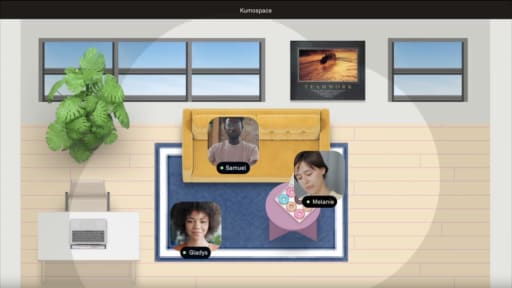
Virtual workspace structure matters too. Logging into a platform like Kumospace where you "enter" a digital office and use rooms for focus versus collaboration reinforces spatial boundaries. Keep work equipment and documents in your dedicated workspace only to help leave work at work.

Limit Digital Overload and Always-On Culture

Constant pings from email, chat, and project tools push people into long hours and shallow focus. Microsoft's research found knowledge workers get interrupted roughly every two minutes, by a meeting, email, or chat, and 57-60% of meetings are unscheduled or ad hoc.

Concrete steps to alleviate stress and reclaim your focus:

  • Turning off notifications outside work hours helps maintain boundaries-set a cutoff like 18:00
  • Use "Do Not Disturb" during deep work blocks
  • Check email only at scheduled times (e.g., 10:00, 14:00, 16:30)
  • Separating work and personal accounts helps avoid mixing tasks
  • Use status indicators in tools and in Kumospace (e.g., "Heads down – back at 3 pm")

Technology should help you balance work and boost productivity, not invite work demands into every moment of the day. The goal is more control over your attention, not less.

Protect Your Mental Health With Breaks, Movement, and Real Lunch

Remote workers often skip breaks and lunch, leading to eye strain, stiffness, and reduced mental clarity. Breaks are a performance tool, not a luxury. Taking breaks every 1-2 hours can boost productivity and directly contribute to a better work-life balance.

  • Take a proper lunch break away from the screen most days, ideally 30–60 minutes. A short walk plus a meal works well.
  • Schedule micro-breaks every 60–90 minutes: stand up, stretch, get water, or look out a window
  • Try simple at-home movement: 5-minute stretch sessions, walking calls, or short bodyweight exercises to counter sedentary hours
  • Maintain regular exercise and a balanced diet to support your physical health and physical well-being

Practicing mindfulness can prevent burnout and improve work-life balance. Even two minutes of mindfulness techniques or deep breathing exercises between tasks helps reset your mental and physical health, giving you renewed energy for the next block.

Use the Pomodoro or Similar Techniques to Structure Your Day

The Pomodoro Technique uses 25-minute work blocks with breaks-a simple structure that suits remote work well. After four cycles, take a longer 15–20 minute break.

Experiment with different intervals to match your attention patterns and personal and professional life demands:

  • 25/5 (classic Pomodoro) for varied tasks
  • 50/10 for deep creative or analytical work
  • 45/15 as a middle ground

Use a simple timer or app. During short breaks, practice mindful breaks and self-care: breathing exercises, quick stretches, or grabbing water rather than scrolling social media. Pairing time-boxing with a clear end-of-day time prevents work from expanding into long hours and supports better time management and stress management throughout the day.

Stay Connected and Fight Isolation While Working From Home

Loneliness is a major remote work risk. Gallup research found that fully remote employees report the highest engagement of any work arrangement, but also higher stress, loneliness, sadness, and anger than on-site or hybrid peers. Combatting isolation involves maintaining social connections through virtual check-ins-it's equally important for your emotional well-being as getting your work done.

  • Schedule 1–2 virtual coworker check-ins each week, even just 15-minute coffee chats
  • Prioritize spending time with friends, visiting family, and quality time with loved ones in person where possible
  • Balance informal chats with focus blocks so connection supports, not derails, professional productivity
  • Cultivate at least one non-work community-a hobby group, sports team, or volunteer role-to support personal pursuits and broader personal well-being

Build a Healthier Remote Culture With Kumospace

Kumospace helps remote teams create the informal interactions that are often missing from distributed work. Its virtual office combines spatial audio, video, and shared workspaces so teammates can drop into conversations naturally instead of scheduling meetings for every question or check-in.

Teams can use Kumospace for virtual coworking sessions, casual coffee chats, onboarding, brainstorming, and team socials, while features like presence indicators encourage healthy work boundaries by making it easy to see when someone is away or offline. Used alongside tools like Slack or Microsoft Teams, Kumospace helps foster stronger collaboration, improve team culture, and support a healthier work-life balance.

Summary

Maintaining a healthy work-life balance while working remotely requires more than flexible hours. It depends on creating intentional routines, setting clear boundaries, and using technology that supports productivity without encouraging an always-on mindset. Consistent work schedules, dedicated workspaces, start- and end-of-day rituals, regular breaks, and limiting after-hours notifications all help prevent burnout and keep work from spilling into personal life.

Strong work-life balance also relies on protecting mental well-being and staying connected with others. Taking time for movement, social interaction, and hobbies outside of work is just as important as managing daily tasks. Virtual office platforms like Kumospace can support remote teams by encouraging natural collaboration and healthier work habits, helping employees stay productive while maintaining clear separation between work and personal life.

Frequently Asked Questions

Transform the way your team works from anywhere.

A virtual office in Kumospace lets teams thrive together by doing their best work no matter where they are geographically.

Headshot for Sammi Cox
Sammi Cox

Sammi Cox is a content marketing manager with a background in SEO and a degree in Journalism from Cal State Long Beach. She’s passionate about creating content that connects and ranks. Based in San Diego, she loves hiking, beach days, and yoga.

Transform the way your team works.