Building rapport at work isn’t always about being naturally charismatic or always saying the right thing. It’s about creating real trust, mutual respect, and communication that feels easy instead of forced. When rapport is strong, conversations flow, feedback is honest, and collaboration becomes smoother, even when there’s disagreement.
In remote and hybrid workplaces, rapport doesn’t happen by accident. It takes small, consistent actions: listening closely, asking thoughtful questions, remembering details, and following through. In this guide, we’ll break down what rapport actually means, why it matters more than ever, and simple, practical ways to build it in everyday interactions.
Key Takeaways
- Rapport is a state of mutual trust, respect, and ease of communication that makes workplace interactions productive and natural, not just “being nice.”
- In 2026’s distributed and hybrid workplaces, intentional rapport building acts as a force multiplier for collaboration, engagement, and retention.
- A simple 4-step routine (Notice, Connect, Listen, Follow Up) gives you a repeatable framework for any conversation.
- Specific behaviors matter most: active listening, remembering details, open-ended questions, and consistent follow-through build deeper connections over time.
- Virtual tools like Kumospace can recreate informal “hallway moments” that strengthen team bonds in remote settings.
What Is Rapport?
Rapport is a state of mutual trust, comfort, and synchrony that makes conversation feel easy. When you have it with someone, information flows freely. You ask questions without hesitation. You admit mistakes without fear. The interaction just works.
In the workplace, rapport shows up in observable ways. Picture a weekly standup where team members speak openly, build on each other’s ideas, and share concerns early. Now contrast that with a tense status meeting where responses are guarded, and people wait to be called on. The difference isn’t the meeting format; it’s the relationship quality.
Consider these everyday scenarios:
- Project kickoff: Participants share their personal stakes in the project’s success, not just their assigned tasks
- Performance review: Both manager and employee exchange honest feedback without defensiveness
- First day with a new team member: Colleagues ask welcoming questions that help the newcomer feel they belong
Rapport vs. “Being Nice”
Genuine rapport isn’t the same as forced friendliness or superficial politeness. Consider the difference:
- Surface-level: Nodding along without actually processing what someone said
- Real rapport: Paraphrasing their point and asking one clarifying question
A person might smile through every meeting but never remember your name or follow through on promises. That’s not rapport, it’s performance.
Importantly, rapport can coexist with disagreement. Two colleagues who trust each other can debate a strategy vigorously and leave the conversation with their relationship intact. Rapport is about how people treat each other, not whether they always agree.
Why Rapport Building Matters at Work
In companies with distributed teams, cross-functional projects spanning time zones, and virtual collaboration tools, rapport acts as a force multiplier. It amplifies communication efficiency, accelerates decision-making, and creates a psychological safety where issues surface early.
When rapport exists, people don’t overthink their messages. They share context freely. They ask for help before small problems become big ones. Without it, even talented teams operate with friction that slows everything down.
Boosting Trust, Engagement, and Retention
Strong rapport creates psychological safety, the foundation for teams that actually perform. Research consistently shows that teams with high trust exhibit significantly greater productivity, with some studies citing 17-21% improvements in team output.
The impact on retention is equally clear. Team members who feel known, respected, and supported are far less likely to leave. Consider the difference:
- A manager who remembers team members’ career goals and checks in on progress regularly
- A distant manager who only surfaces during status updates
The first approach correlates with earlier issue-sharing and longer tenure. People stay where they feel seen.
Improving Collaboration Across Teams and Locations
Cross-functional work often creates tension, marketing and engineering negotiating timelines, sales and product debating priorities. Rapport smooths these interactions. When you’ve built a positive relationship with someone in another department, disagreements stay task-focused rather than personal.
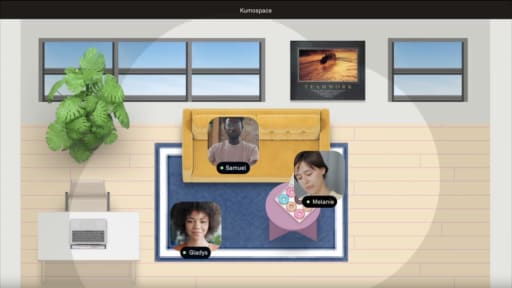
For distributed teams, consistent rapport building through quick check-ins and informal chats reduces friction dramatically. Virtual office platforms like Kumospace can recreate those organic “hallway moments” that used to happen naturally in physical offices, spontaneous conversations that build bonds without requiring formal meetings.
Enhancing Customer and Client Relationships
For sales, customer success, and support roles, rapport determines whether you uncover real needs or just surface-level requirements. A support agent who remembers a client’s rollout deadline and follows up proactively builds trust that pays dividends during escalations.
Long-term benefits compound: renewals come easier, referrals happen naturally, and tense moments defuse faster when rapport already exists. Even a simple reference to a previous conversation (“How did that Q2 launch go?”) signals that you see them as a person, not just an account.
Who You Should Build Rapport With
Rapport isn’t just about managing up. It spans peers, direct reports, customers, and cross-functional partners. Anyone, regardless of seniority, benefits from being intentional about relationship building across these categories.
Building Rapport With Your Manager
Actionable habits that build rapport upward with your manager:
- Provide regular updates before being asked
- Request feedback and act on it
- Follow through on commitments consistently
- Learn their communication style (concise Slack messages vs. detailed emails)
A weekly 15-minute 1:1 that blends personal and work topics can transform your working relationship over time.
Building Rapport With Direct Reports
For managers, rapport with direct reports determines team health. Prioritize:
- Consistent one-on-ones that don’t get cancelled
- Recognition that’s specific, not generic
- Transparency in decisions that affect the team
- Checking on career goals and tracking progress quarterly
In remote settings, video calls, virtual coffee chats, or Kumospace rooms recreate the informal touchpoints that build trust. Consistency matters most, showing up on time, honoring commitments, and being available when problems arise.
Building Rapport With Coworkers and Cross-Functional Partners
Don’t wait for formal collaboration to start building relationships with peers. Consider:
- Scheduling a quick intro chat with new collaborators before projects kick off
- Inviting a teammate to pair on a challenging task
- Debriefing together after a launch to share learnings
Small recurring interactions, weekly standups, async updates, and informal chats accumulate into a strong rapport. In distributed teams, tools like Kumospace can host recurring “open office” hours where organic connections happen naturally.
Building Rapport With Customers and Clients
For customer-facing roles, rapport basics include:
- Learning their context and constraints
- Remembering deadlines and tracking personal details responsibly
- Starting calls with a brief human check-in (reading cues if they seem rushed)
Maintain a simple notes system so you can reference past conversations. A B2B account manager might ask, “How’s the integration rollout going since we last spoke?” A B2C support rep might acknowledge, “I remember you mentioned traveling, hope the trip went well.”
6 Everyday Ways to Build Rapport
Rapport isn’t always built through dramatic gestures. It’s also built through small, repeatable actions that compound over time. Pick one or two techniques to start with rather than trying everything at once.
1. Practice Active Listening
Active listening means not interrupting, paraphrasing what you hear, and asking clarifying questions. Consider the difference:
|
Poor Listening |
Effective Listening |
|
“Got it, thanks.” |
“So you’re saying the timeline depends on the API release. What’s your confidence level on that date?” |
Specific signals matter: close your laptop, put your phone away, and summarize next steps out loud. Try ending conversations with, “So what I’m hearing is…” followed by a summary.
2. Use Open-Ended, Thoughtful Questions
Open-ended questions invite richer conversation than yes/no alternatives. Sample questions for workplace contexts include:
- “What challenges are you running into this week?”
- “How’s the rollout aligning with your original goals?”
- “What would make this project a win for you personally?”
- “You mentioned timeline pressure, how’s that evolving?”
Follow-up questions based on their answers deepen the connection naturally.
3. Remember Names and Personal Details
Remembering names, projects, and small personal facts signals genuine interest and attention. Memory tricks help:
- Repeat the name when you first hear it
- Associate it with something memorable
- Jot quick notes after meetings
In remote work, use profiles and notes in tools or virtual office platforms to recall details. If someone mentioned training for a marathon last month, asking about it shows you were paying attention.
4. Use Positive, Welcoming Body Language
Specific physical behaviors build rapport: facing the person, maintaining natural eye contact, nodding, and keeping arms uncrossed.
For video calls, adapt: position your camera at eye level, look into the lens when speaking, and avoid visibly multitasking. Practice in low-stakes settings first, a casual team sync or a virtual coffee break in a Kumospace room works well.
5. Look for Common Ground
Shared interests, experiences, or goals quickly reduce distance. Look for genuine connection points:
- Similar career paths or challenges
- Tools you both use (or struggle with)
- Hybrid work frustrations you share
- Industry events or topics you follow
Use visible cues, backgrounds, bookshelves, and team channels to discover safe conversation starters. Honest curiosity beats pretending to like something you don’t.
6. Offer Small, Consistent Help
Small favors build long-term goodwill:
- Sharing a relevant resource unprompted
- Reviewing a draft before a big presentation
- Answering a quick question outside your core responsibilities
- Connecting two people who should know each other
Following up later (“How did that presentation go?”) reinforces the meaningful connection. Just respect boundaries and your own workload while being helpful.
Strengthen Workplace Rapport with Kumospace
Kumospace helps teams build genuine rapport both internally and externally by recreating the natural, human interactions that are often missing in remote work. Its virtual office environment, combined with spatial audio, allows employees to move fluidly between conversations, join quick chats, or collaborate in real time without the friction of scheduled meetings. These small, spontaneous interactions mirror in-person “hallway moments,” making it easier to build trust, strengthen relationships, and maintain open communication across teams.
Beyond client-facing use, Kumospace plays a critical role in internal culture and collaboration. Dedicated spaces for team check-ins, casual conversations, and cross-functional work help employees stay connected and engaged, even across time zones. Managers can host 1:1s, team leaders can run standups, and coworkers can drop in for quick questions, all within a shared, visible environment. By making communication more natural and consistent, Kumospace supports stronger relationships, improves collaboration, and helps teams build lasting rapport that drives both performance and retention.
Building Rapport in Virtual and Hybrid Workspaces
Most teams these days rarely share the same physical office full-time. This creates specific challenges: fewer casual encounters, camera fatigue, and reliance on tools and chat for communication.
Humanizing Video Calls
Short, intentional check-ins at the start of recurring meetings help, without derailing the agenda. Use names often, acknowledge contributions, and summarize what people say to show they’re heard.
For newer teams, rotate light icebreaker questions occasionally to accelerate rapport. Camera etiquette matters too: video helps build connection, but respect when others prefer it off.
Using Virtual Spaces to Recreate Hallway Moments
Virtual office platforms like Kumospace simulate spontaneous interactions that build rapport organically. Effective practices include:
- Open office hours where people can drop by
- Virtual coffee rooms for optional conversation
- Daily 10-minute huddles for distributed teams to stay connected
The key is opt-in design; spaces should feel inviting, not mandatory.
Balancing Async and Sync Communication
Thoughtful async messages contribute to rapport even without live conversation. Rapport-friendly async habits:
- Acknowledging others’ work in shared channels
- Using inclusive language
- Clarifying expectations clearly
Mix async with periodic live touchpoints, video calls, video conferencing, or virtual office drop-ins, to maintain the human connection that text alone can’t provide.
Practicing and Sustaining Rapport Over Time
Rapport is a long-term habit, not a one-time fix. Treat it as a learnable skill that improves with reflection and practice.
How to Stay Authentic
People detect insincerity quickly. Be yourself while staying professional. Appropriate sharing at work includes hobbies, interests, and high-level life events, not deeply personal details.
Notice when you feel like you’re “performing” and adjust to a more natural tone. Authenticity also means being clear about limits, saying no respectfully when overloaded maintains trust.
Using Emotional Intelligence to Navigate Differences
Emotional intelligence means noticing emotions, managing your reactions, and responding thoughtfully. Examples:
- A terse email might signal stress, not hostility
- A quiet team member in meetings might need a direct invitation to contribute
- A frustrated client on a call needs acknowledgment before solutions
Simple reflection after tough conversations helps: What worked? What didn’t? What would you adjust next time?
Maintaining Rapport Through Change
Reorganizations, new managers, remote transitions, and client turnover all disrupt rapport. Proactive steps help:
- Reintroduce yourself and your working style
- Restate shared goals
- Establish new communication norms together
Some teams use a dedicated “reset” meeting, in a virtual space like Kumospace, to realign after big shifts. Investing in rapport makes navigating change easier for everyone involved.
Summary
Building rapport at work means creating genuine trust, mutual respect, and smooth communication that makes collaboration feel natural rather than forced. It’s not about surface-level friendliness but about consistent behaviors like active listening, asking thoughtful questions, remembering details, and following through. In modern hybrid and remote environments, rapport requires intentional effort, and when it’s strong, teams communicate more openly, resolve issues faster, and work together more effectively even during disagreements.
Strong rapport directly improves engagement, retention, and performance by fostering psychological safety and reducing friction across teams, roles, and locations. It also strengthens relationships with managers, peers, and clients, leading to better collaboration and long-term outcomes. Small, repeatable actions such as offering help, finding common ground, and maintaining consistent communication build rapport over time, making it a critical skill for sustaining healthy teams and successful workplaces.
Frequently Asked Questions
Light rapport can form in a single good conversation, but deeper trust usually develops over weeks or months of consistent interactions. Factors that influence speed include frequency of contact, past experiences, cultural norms, and organizational psychological safety. Focus on steady, small actions rather than forcing fast closeness.
Absolutely. Introverts often build strong rapport by leaning on their strengths: thoughtful follow-up questions, deeper 1:1 conversations, and reliable follow-through. Skip shallow chatter in favor of well-timed questions about work, interests, or goals. Setting boundaries on social energy, shorter sessions, and fewer but more meaningful interactions is completely valid.
Quick tactics that work: use people’s names, give specific appreciation (not generic praise), summarize next steps clearly, and send brief follow-up messages. Even 60-90 seconds of focused attention at the start or end of a meeting makes a big difference. Bundle rapport into existing routines rather than adding separate meetings.
Acknowledge the issue early and take responsibility for your part where appropriate. Ask how you can work better together going forward. Then focus on small, reliable actions: meeting deadlines, communicating clearly, following through consistently. Repairing rapport takes longer than building it, but consistent behavior gradually restores confidence.
Look for informal indicators: people volunteering information, seeking your input, or inviting you into discussions more often. Ask trusted colleagues or managers for feedback on how you come across. Track one or two personal goals, remembering details, summarizing more often, and reviewing progress monthly.